-
What does a typical day look like for you when the ship is at sea?
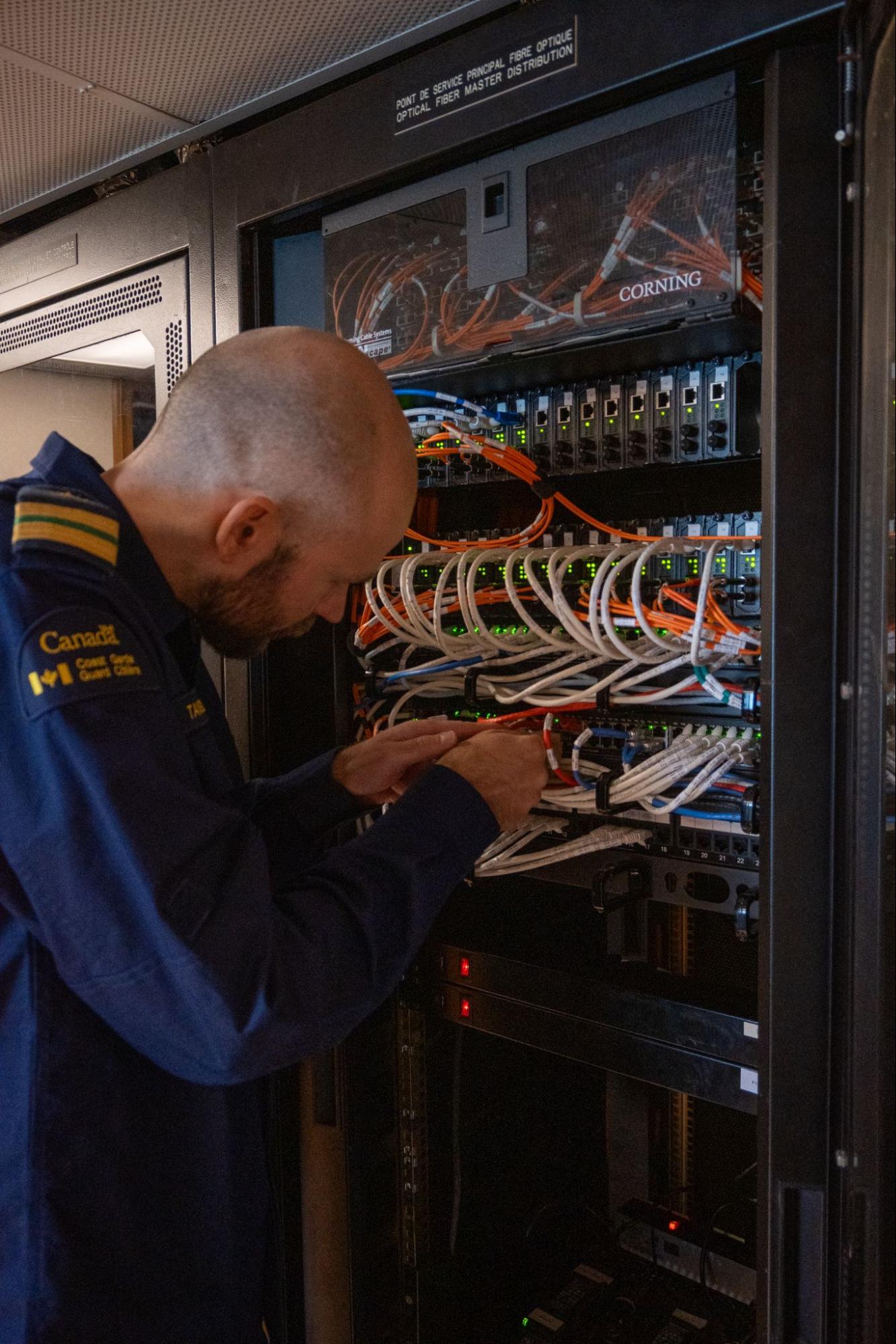
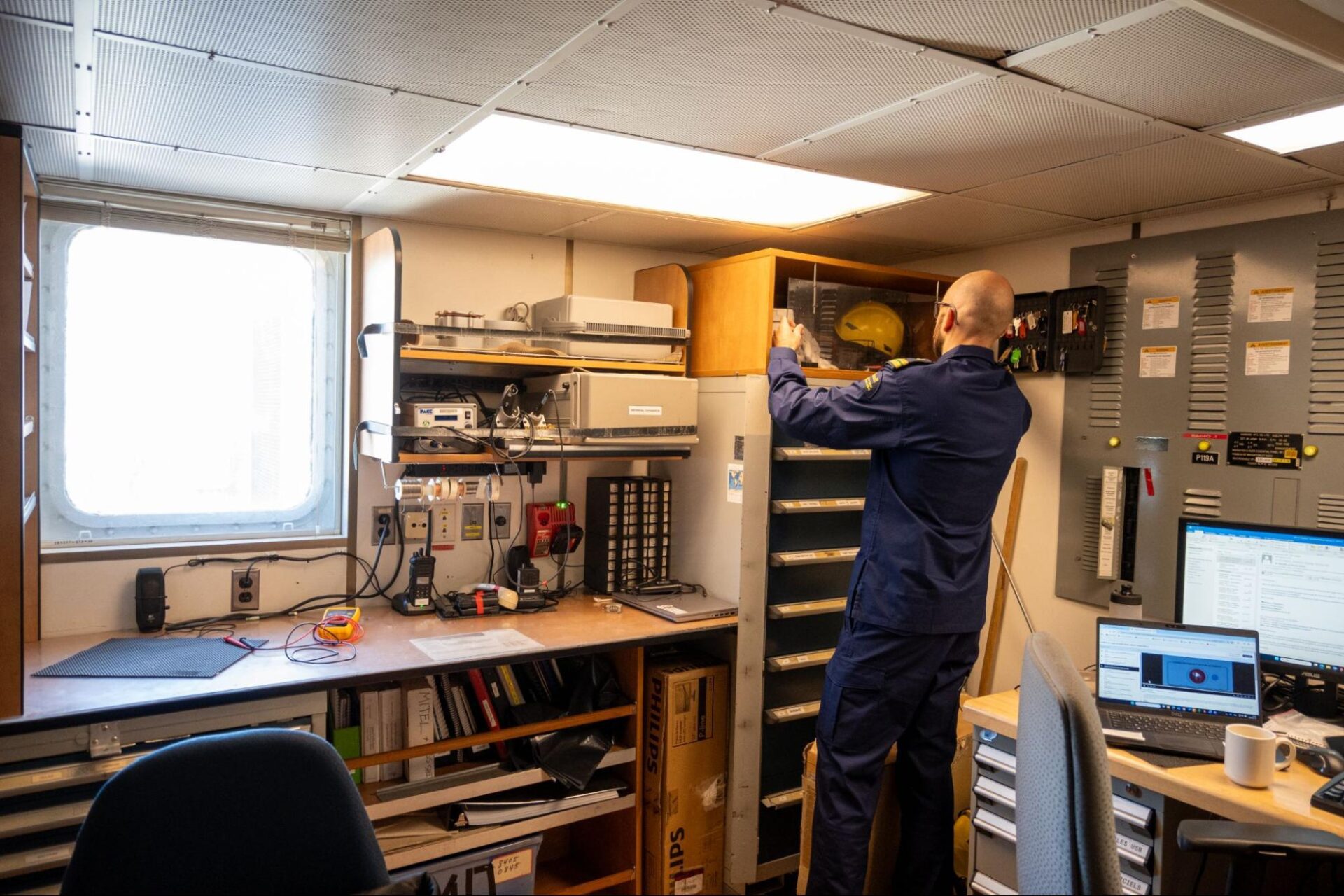
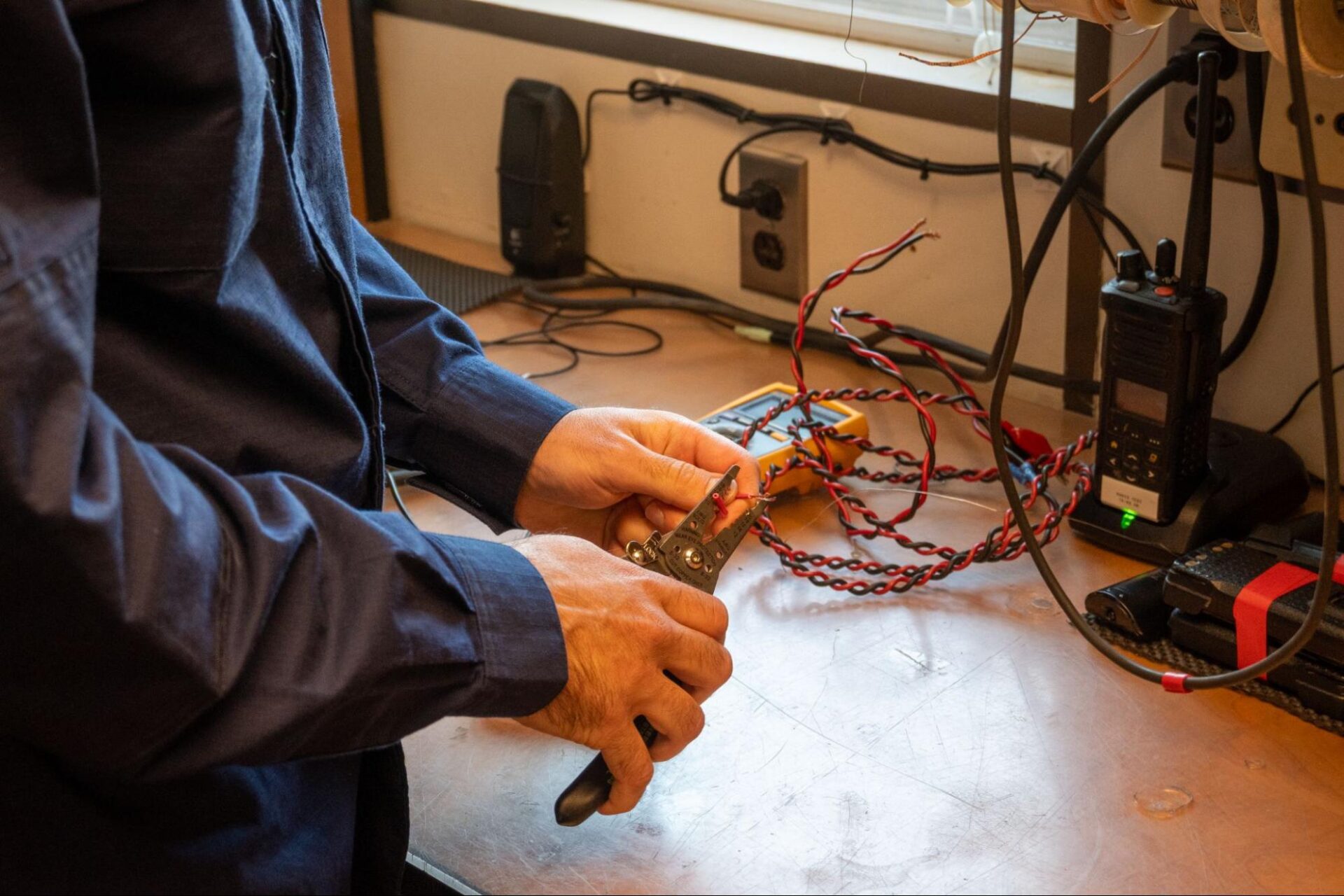
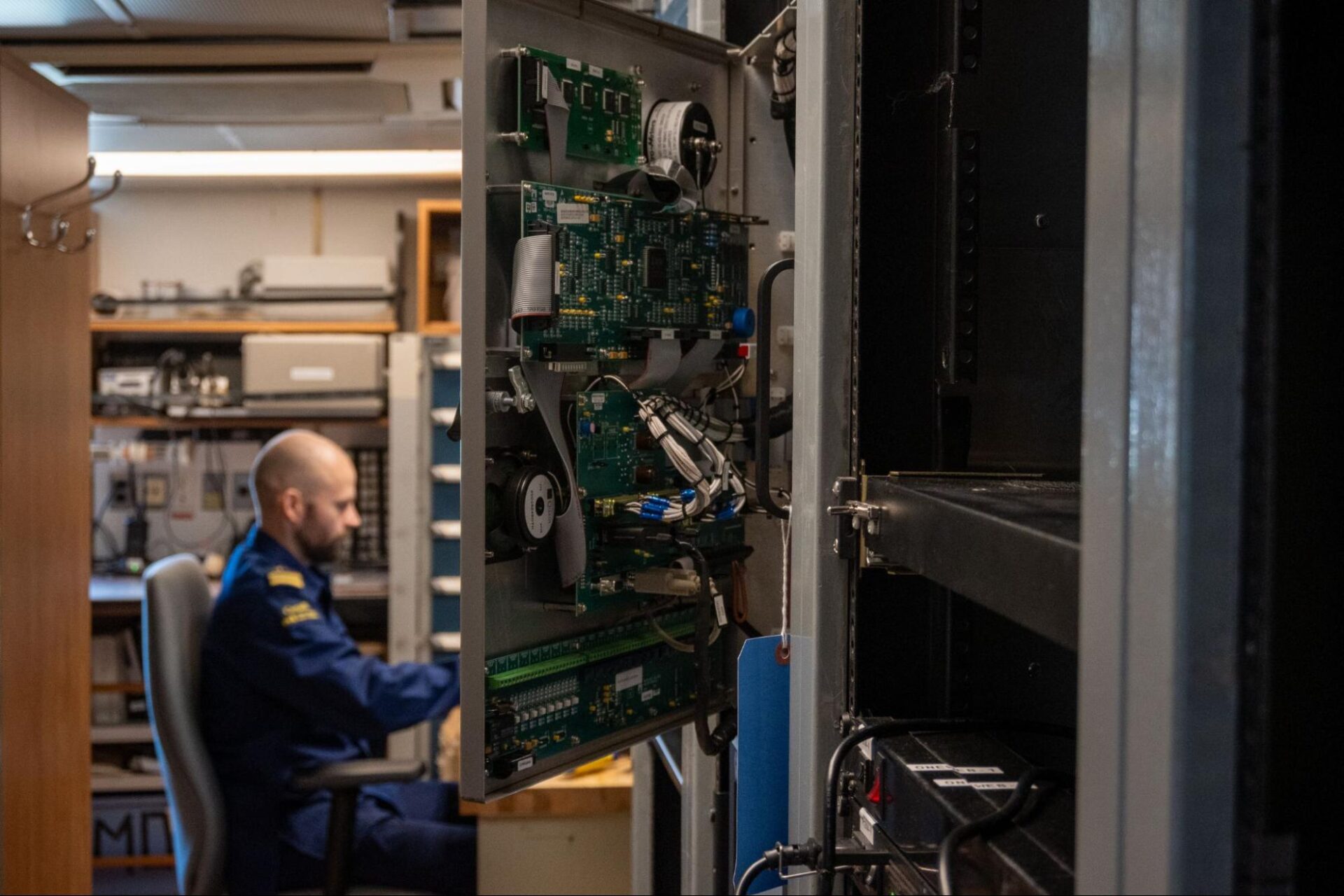
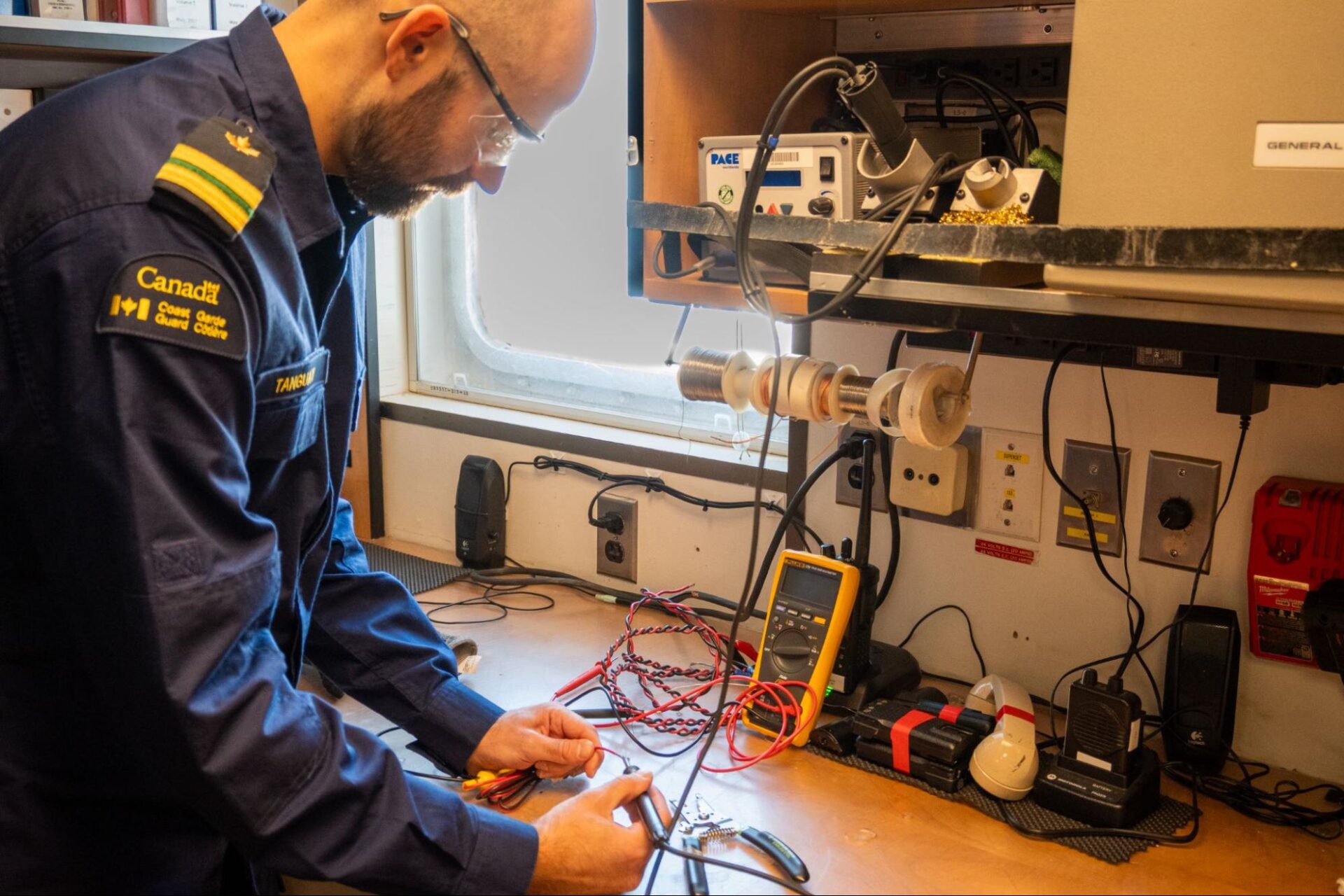
First, I make sure that the equipment I am responsible for is operational and that no failures have occurred. I carry out the necessary repairs when problems arise. At all times, I remain available to respond to issues, such as a radar system failure. When time allows, I work on improving the performance of certain systems and optimizing work methods.
-
What are your main responsibilities before an expedition departs?
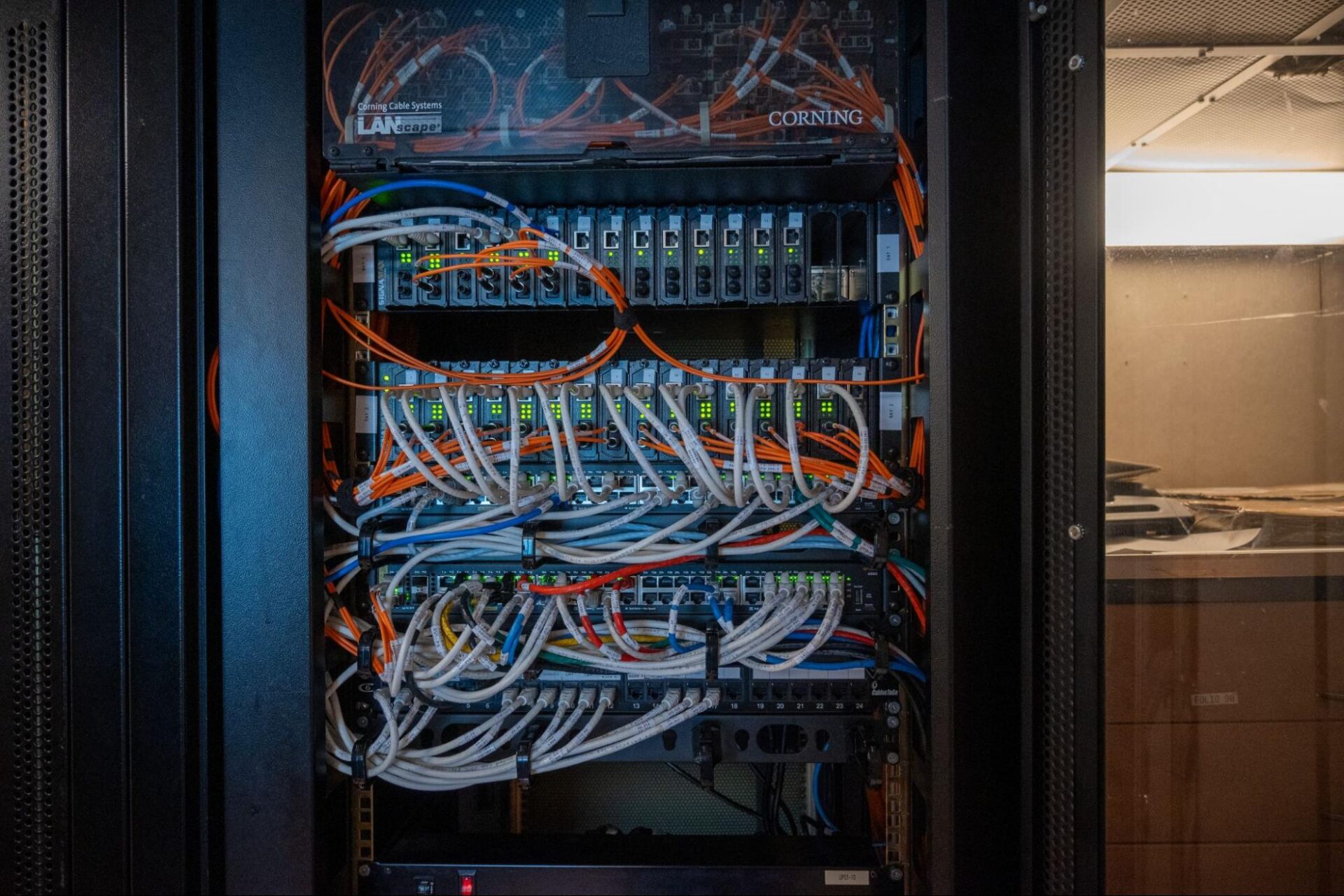
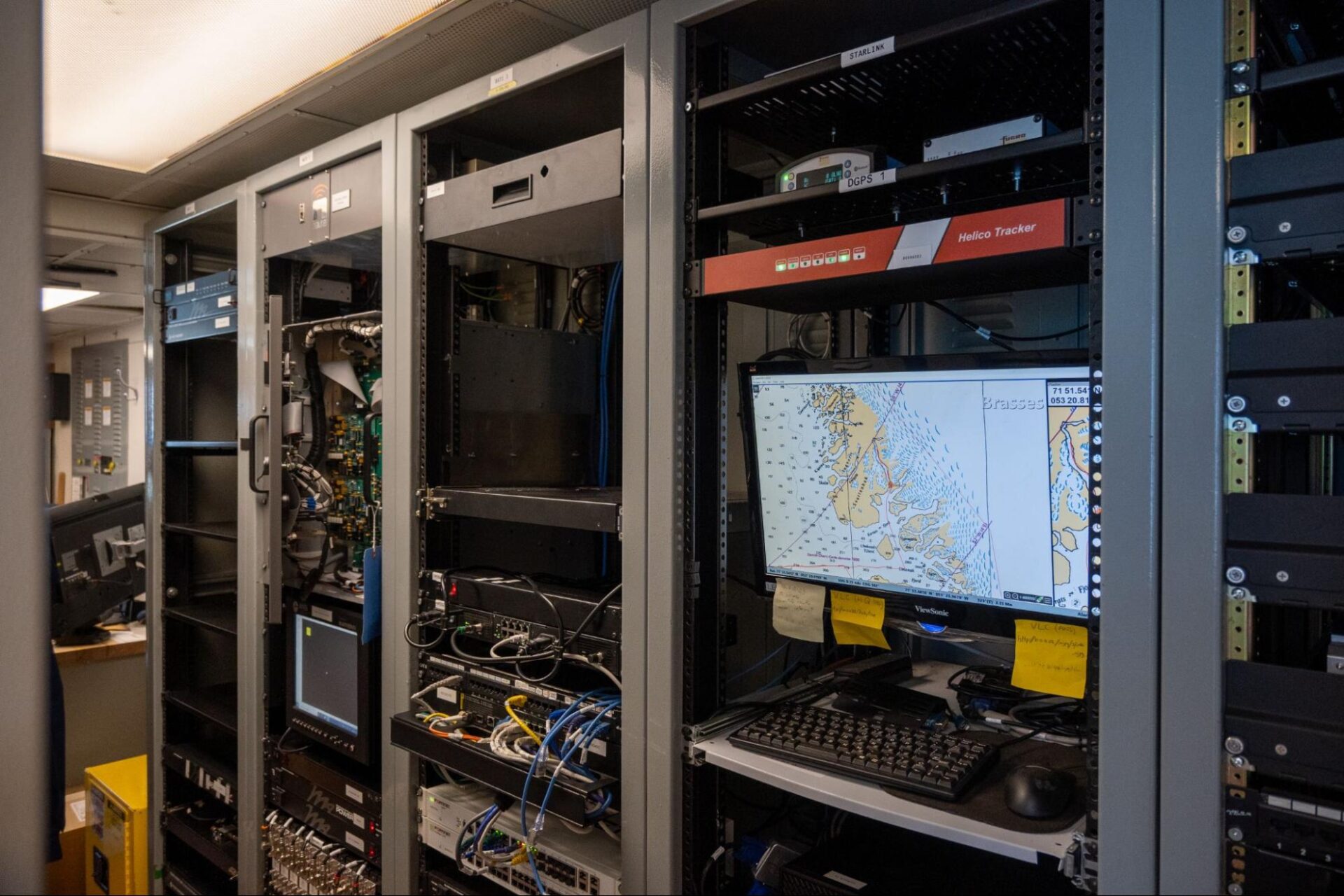
Before departure, I make sure that all systems meet their normal operating criteria using testing equipment. I also ensure that the systems essential to operations have all the necessary spare parts on board. On the Amundsen, I also make sure that the laboratories are properly connected to the ship’s telephone and LAN computer networks.
-
What are the biggest challenges you face in your work?
There are two main challenges in my work. The first is responding quickly to emergencies and repairing defective equipment so that the ship’s operations can resume as soon as possible. The second is carrying out major electronic system installation projects. Both challenges give me a great sense of pride and are one of the main reasons I enjoy my work.
-
Is there a particularly busy time of year for you? Why?
The busiest period for my team and me is from November to June, just before the ships depart for the Arctic. During this period, several other vessels our team is responsible for are laid up for the season. This is when installation and maintenance projects are carried out. The icebreakers are also active and require regular maintenance to ensure their systems continue to operate properly. During their short lay-up period at the end of the icebreaking season, I mainly work on replacing equipment that has reached the end of its service life, as well as installing new systems to increase operational capabilities.
-
What do you enjoy most about your work?
The diversity of my responsibilities means that I face a wide range of challenges, both in terms of their nature and their scale. I am equally called upon to perform physical work, consult technical manuals and solve complex problems. Working aboard ships is rewarding and offers the opportunity to have unique experiences. I take great satisfaction in making a concrete contribution to the success of Canadian Coast Guard operations.
-
What qualities or skills are essential for being a good electronics officer?
To become a good electronics technician, I believe you need to be curious and have a desire to learn. It is a constantly evolving field that requires a strong ability to adapt. To work aboard ships, you also need to be comfortable working at heights, in confined spaces and at sea.
-
What advice would you give to someone who would like to pursue a similar career?
There are many opportunities in this field within the Canadian Coast Guard. If you have the necessary skills, a taste for adventure, a desire to learn while working and to be part of a great team, then don’t wait!