In the Arctic, marine ecosystems rely on a fragile balance shaped by ocean conditions. At the base of this food web is phytoplankton, microscopic organisms that provide essential energy and nutrients to fish, seabirds, and marine mammals. Understanding what influences their nutritional quality is therefore crucial, especially in a context of rapid environmental change in the Arctic.
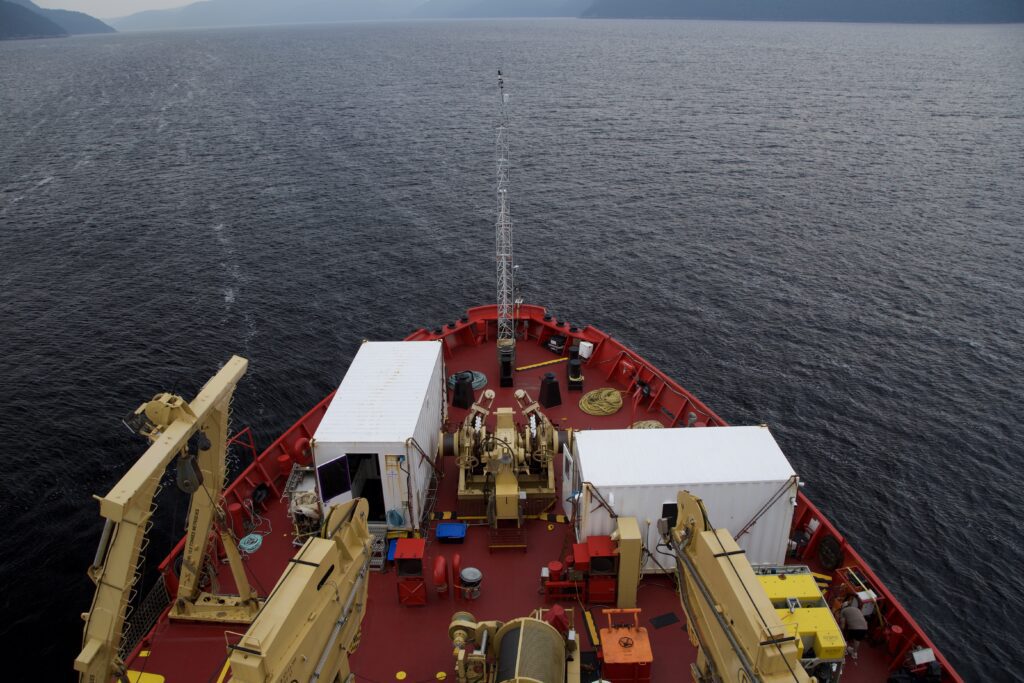
Aboard the CCGS Amundsen, Carlissa D. Salant, Jean-Éric Tremblay, and Christopher C. Parrish collected phytoplankton samples from Baffin Bay and the Beaufort Sea to study how ocean conditions influence their nutritional quality and to analyze their lipid and fatty acid composition.
By combining these analyses with measurements of the water’s physicochemical properties, temperature, salinity, light, and nutrients, the researchers identified the most influential factors. They show that ocean conditions play a more important role than geographic location alone. Phytoplankton found in deeper, saltier, and well-oxygenated waters are generally richer in omega-3 fatty acids and energy, making them more nutritious for the food web. In contrast, coastal areas influenced by freshwater inputs, particularly from melting ice and rivers, tend to produce phytoplankton of lower nutritional quality.
These findings are especially important in the context of climate change. As the Arctic warms, ice melt accelerates and freshwater inputs increase, altering salinity, the formation of water layers, and nutrient availability in the ocean. These changes could affect the nutritional quality of phytoplankton and, in turn, impact the entire Arctic food web.
Scientists are now working to better predict how these environmental changes will influence not only the quantity of phytoplankton, but also its quality, an essential element for understanding the future of Arctic marine ecosystems.