FR

Spotlight on a scientist – Sibley Duckert

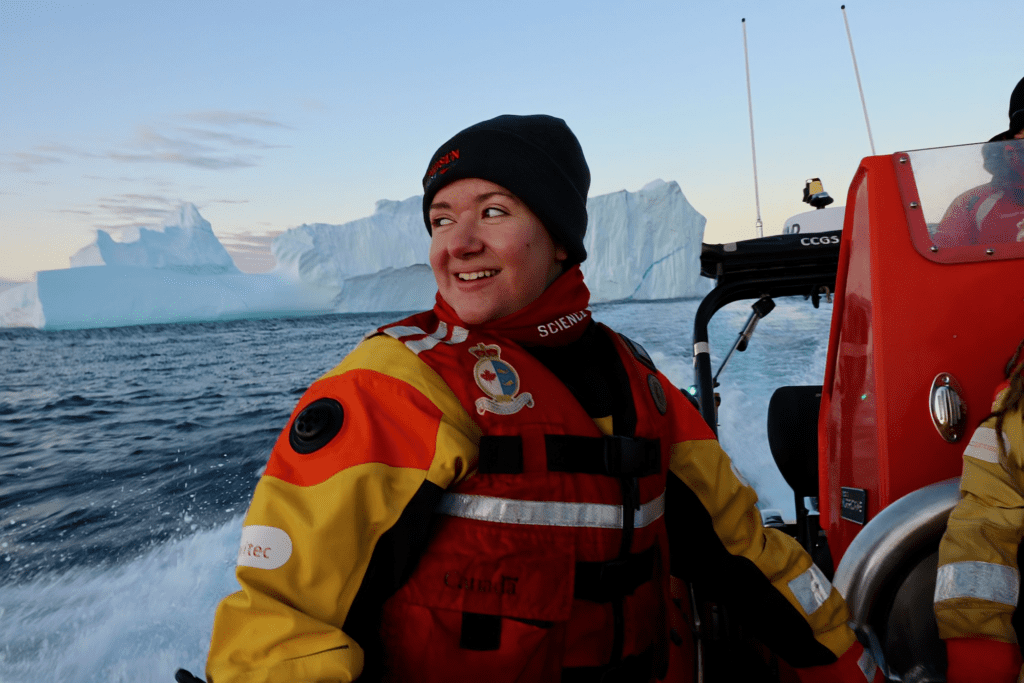
In this third edition of Spotlight on a Scientist, we feature Sibley Duckert, a researcher whose work explores the hidden world of the marine microbiome in Arctic waters. Working in Nunatsiavut and aboard the CCGS Amundsen, Sibley studies how marine bacteria and archaea respond to diesel contamination and contribute to ecosystem recovery following spills. Her research sits at the intersection of microbiology, contaminant science, and Arctic stewardship, and is grounded in close collaboration with local partners and the Nunatsiavut Government. Through her work, Sibley embodies the care, collaboration, and commitment needed to protect fragile Arctic ecosystems.
What is your research focus, and what projects are you working on aboard the Amundsen?

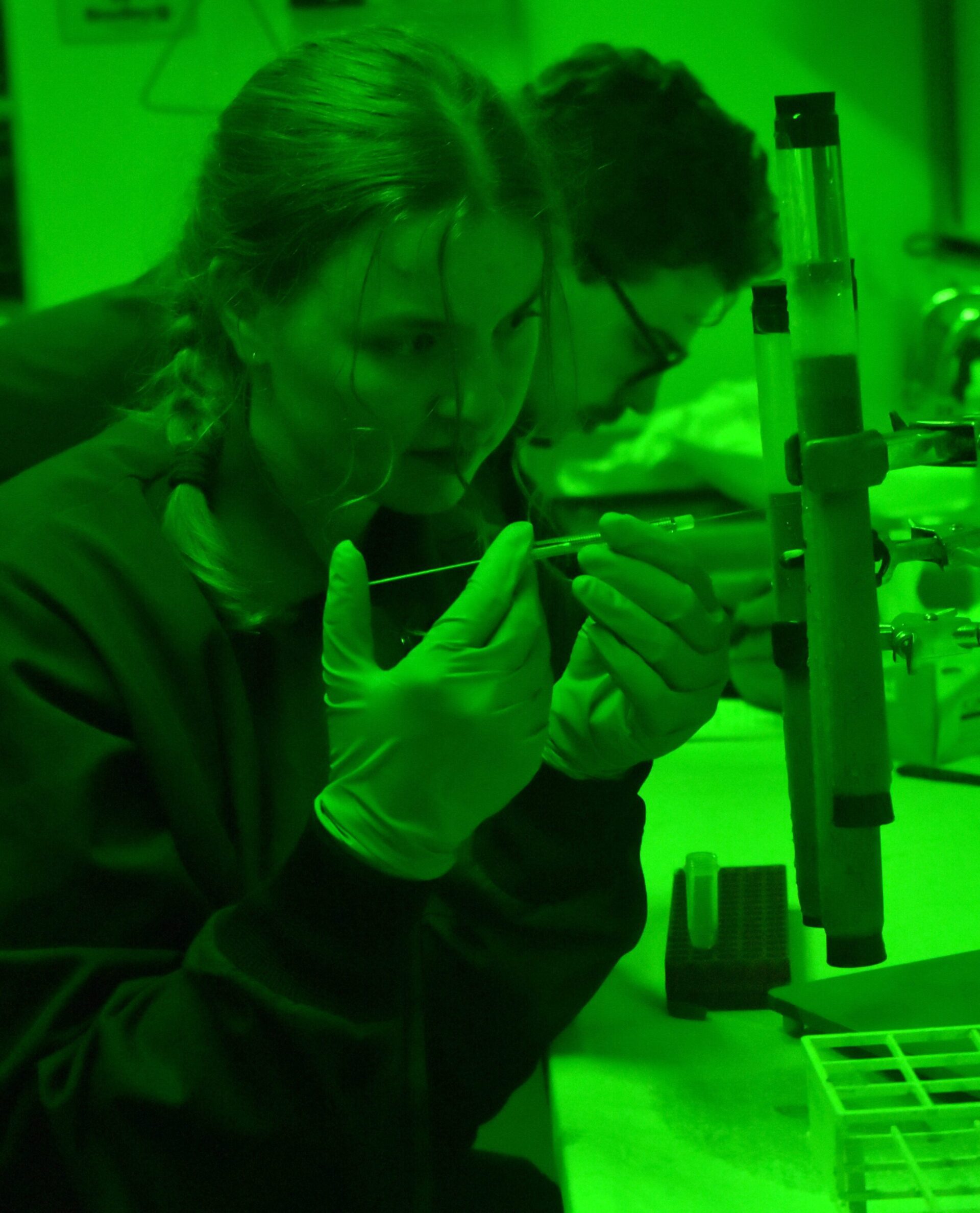
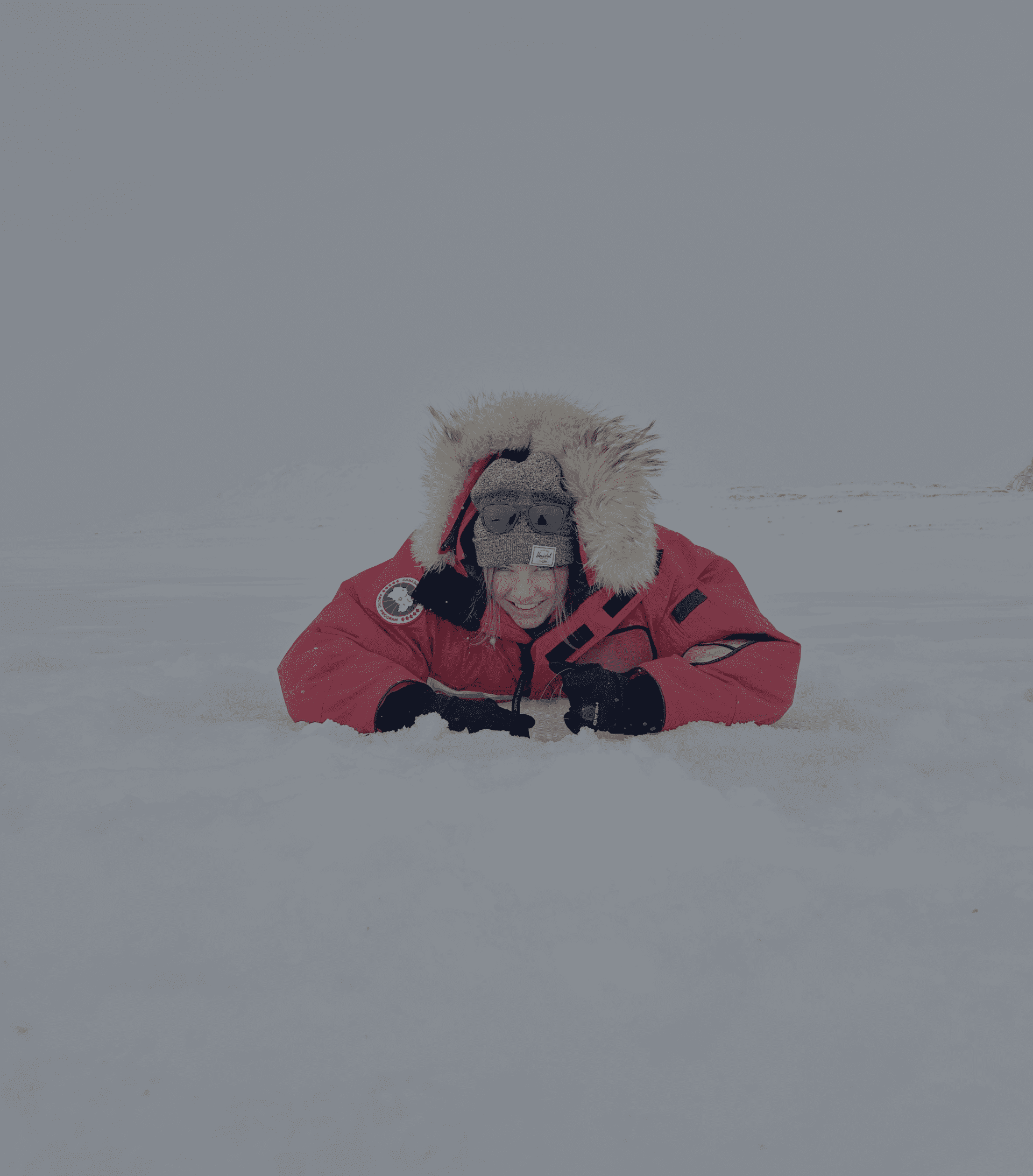
I work in Nunatsiavut, studying the marine microbiome – the bacteria and archaea that are invisible to the naked eye but play a critical role in nutrient and carbon cycling. My research focuses specifically on contaminant cleanup, looking at whether marine microbes can naturally degrade diesel following spills.

In 2020, there was a diesel spill in Postville, linked to fuel offloading for community energy needs. Diesel contaminants were found in Arctic char and seabird eggs, directly impacting traditional food sources and local livelihoods. This made it especially important to understand how the ecosystem responds.
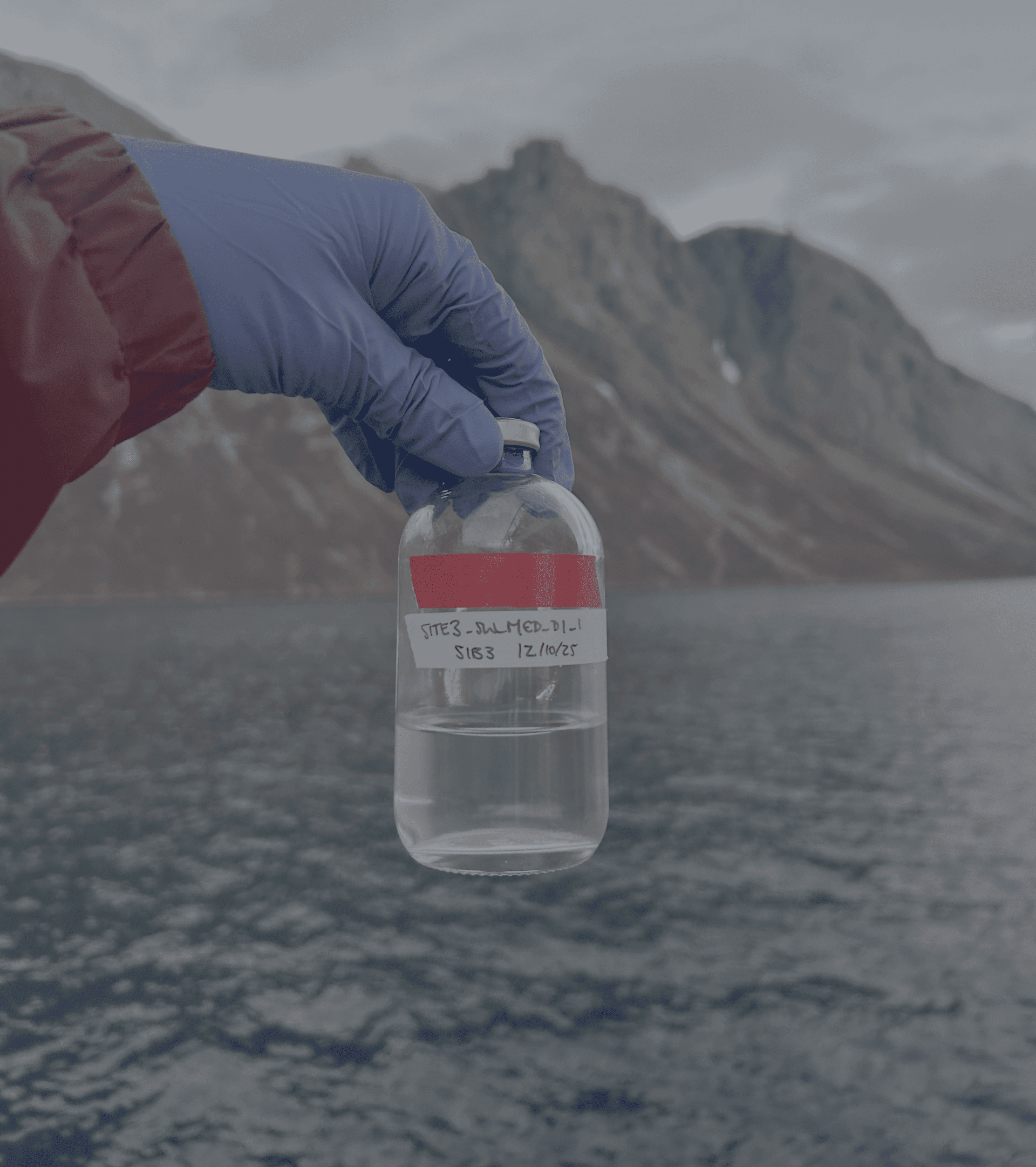
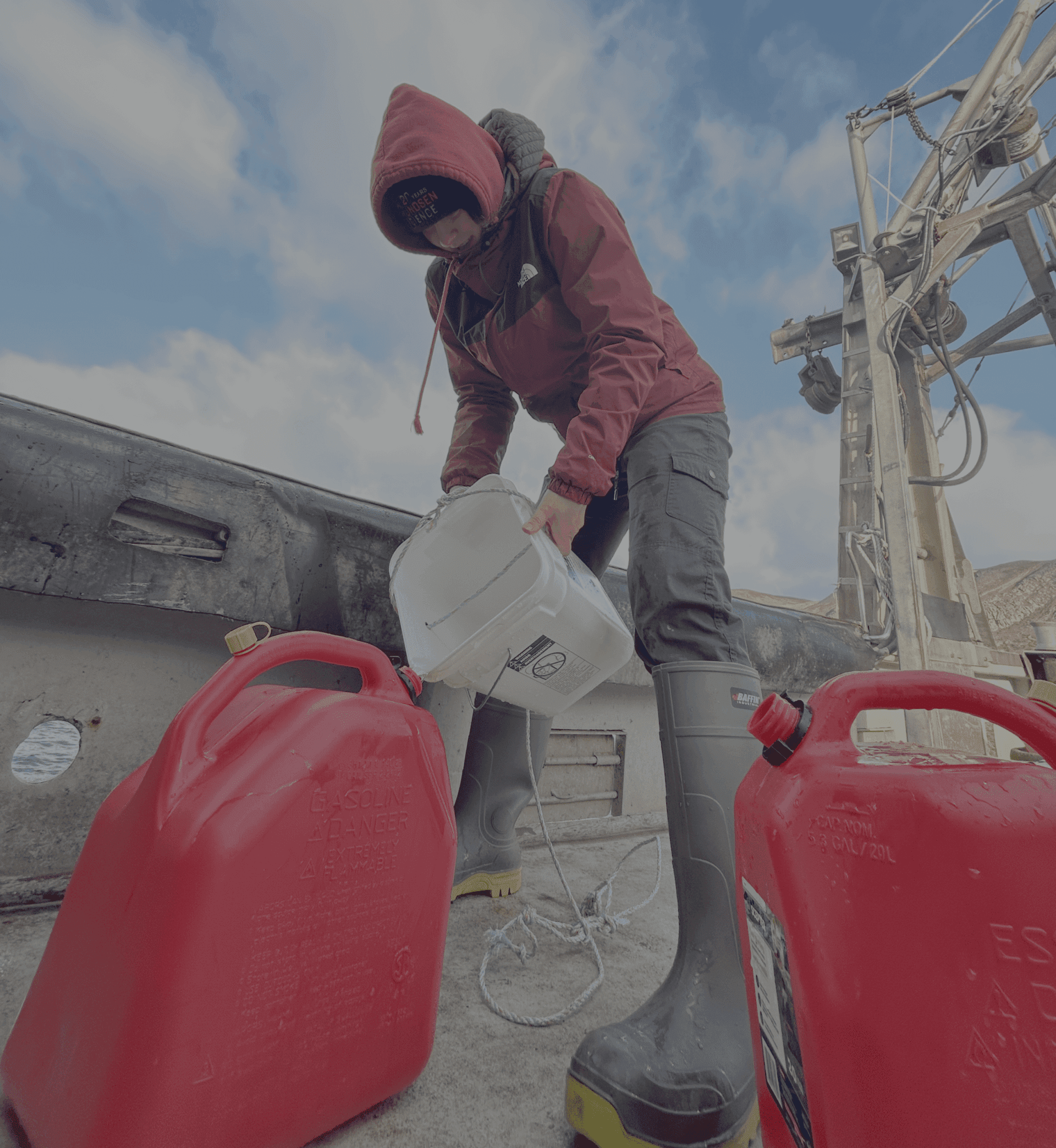
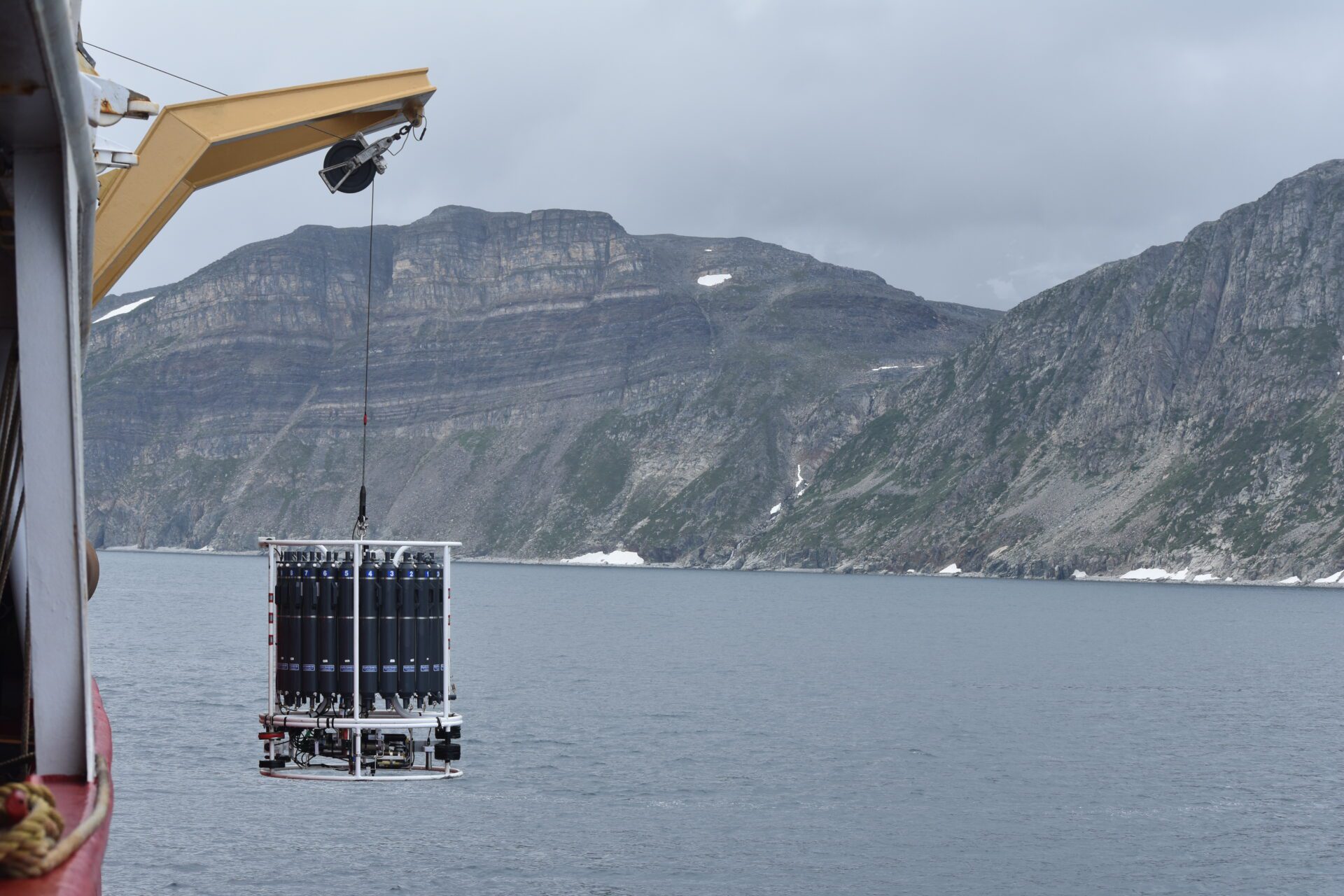
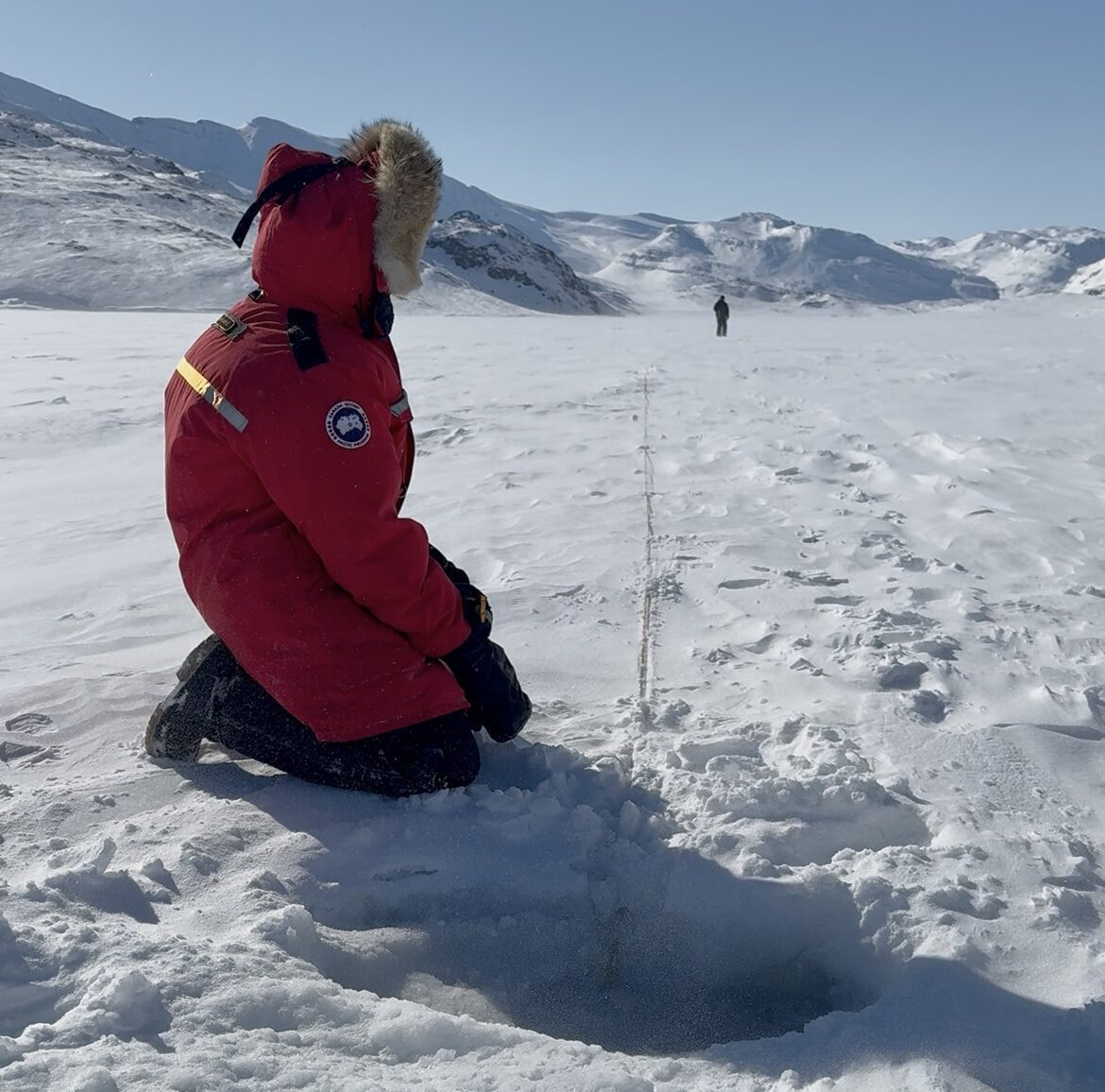
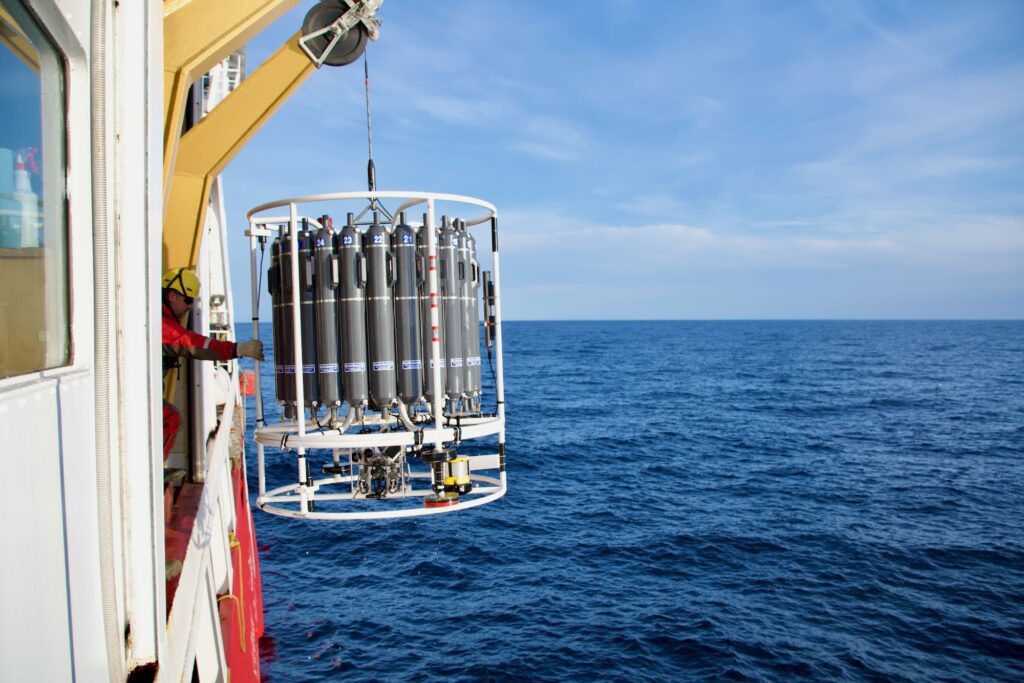
I’m conducting a seasonal study of the marine microbiome: sampling in early spring under sea ice, during summer aboard the Amundsen (leg 2), and in the fall with Joey Angnatok’s, a local collaborator,
hunter, fisherman, social entrepreneur, businessman and community leader in Nunatsiavut, on his boat, the MV What’s Happening. I compare microbial biodiversity and how different communities degrade diesel under changing conditions.

What motivated you to pursue this field of study?

When I started my undergraduate degree, I didn’t even know what microbiology was. I was studying biochemistry, took analytical chemistry, and quickly realized it wasn’t for me. A friend introduced me to microbiology, and I was immediately fascinated by its diversity and the incredible range of microbial metabolisms.

What really drew me in was how broad the field is—you can study entire ecosystems rather than a single organism. I’ve always cared deeply about the environment, and contaminants are a major issue. The idea that microbes can naturally clean up pollution, without adding more chemicals to the environment, really resonated with me.

Working with my supervisor, Casey Hubert, led me to collaborate with the Nunatsiavut Government, which was incredibly meaningful. Partnering with Michelle Saunders and Rodd Laing and working in the North has been an amazing experience, both scientifically and personally.

How was your experience on board the CCGS Amundsen? Is there a memorable moment you’d like to share?

One of the most memorable aspects of being aboard the Amundsen is its interdisciplinary environment. You’re surrounded by people from vastly different scientific backgrounds—and knowledge systems—for 28 days straight. That creates space for conversations and collaborations that would never happen otherwise.

Having people from Nunatsiavut on board was especially impactful. Their deep knowledge of the land and ocean, and the stories they shared about their ancestors in the fjords, gave the research a very personal meaning. It really reinforced why we’re doing this work.

I also loved learning from others—talking to scientists studying sediment, geology, and processes I had no background in. It really felt like a whole-ecosystem approach, and everyone was incredibly kind and open.

From your perspective, what are the main challenges or key learnings of doing research on the ship?

One of the biggest challenges is that ship time is extremely limited and valuable. You want to maximize every moment—collecting samples, running experiments, doing science nonstop. But at the same time, being on a ship for 28 days without being able to leave is mentally demanding.

One key learning for me was the importance of mental health. You actually do better science when you’re taking care of yourself. During my time on board, we played Hacky sack on the heli deck, had trivia nights, and found moments to relax and connect. Those breaks made a huge difference.

Science is important, but so is being human—and the Amundsen really teaches you how closely those two things are connected.

Photos credits: Sibley Duckert & Amundsen Science