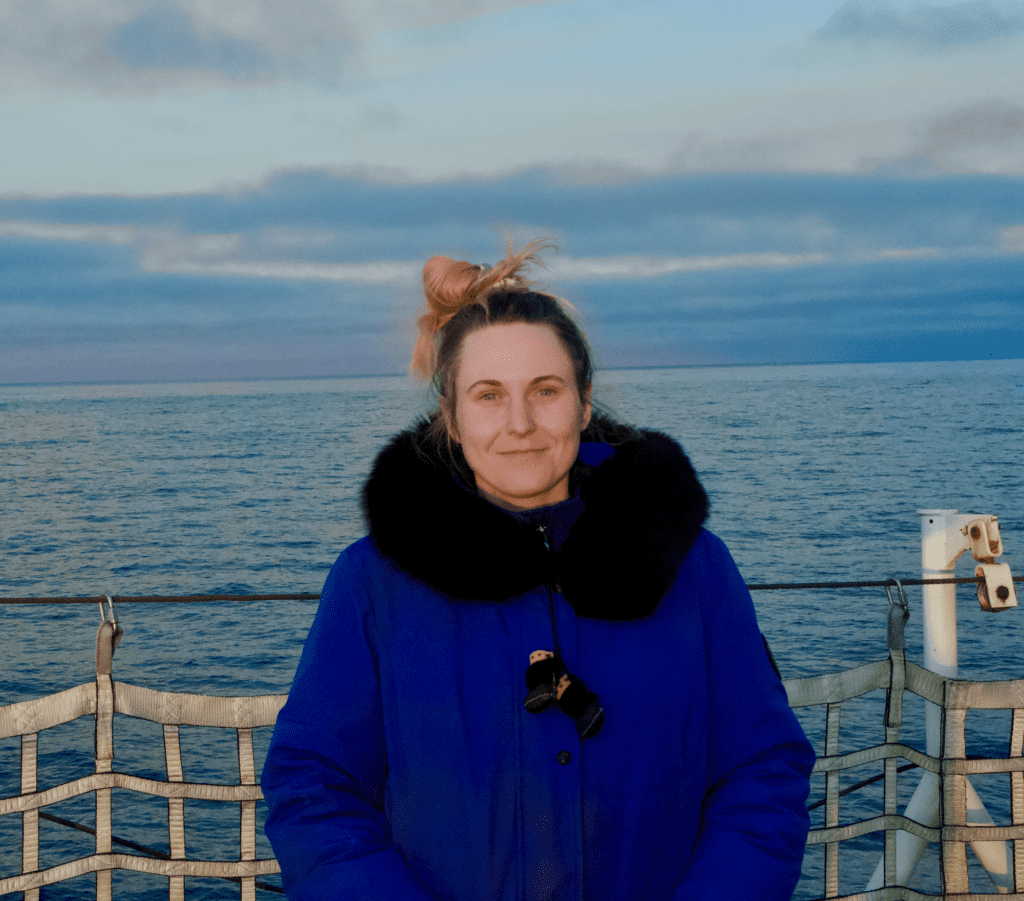
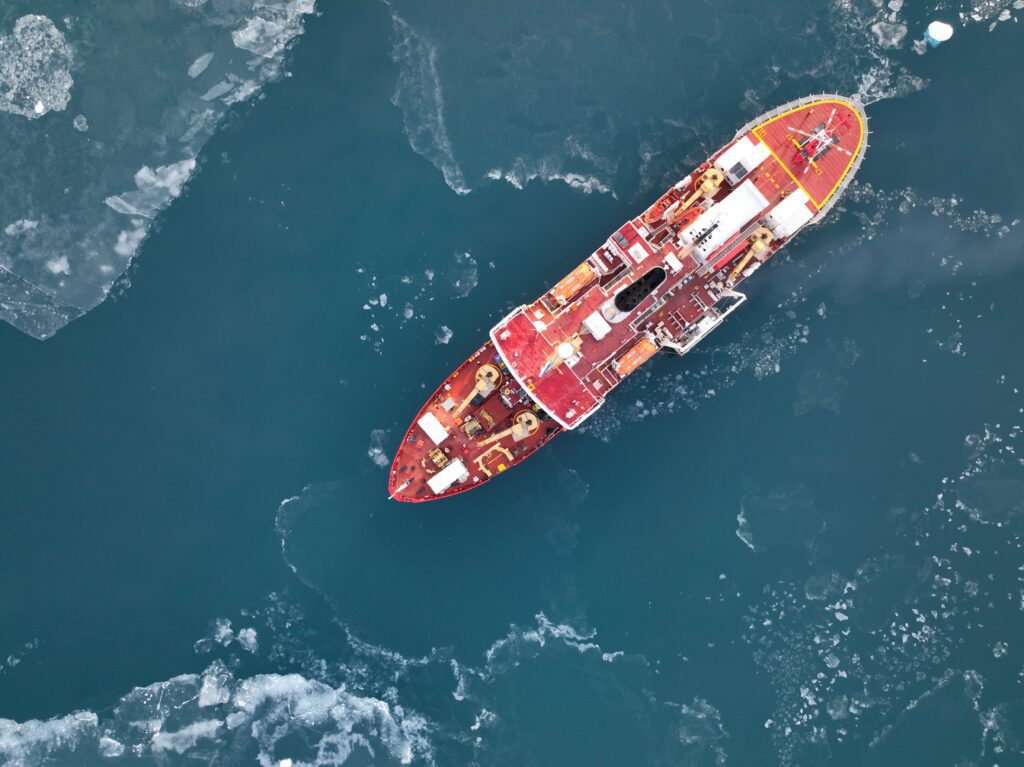
What is your research focus, and what project did you work on aboard the Amundsen in the past years ?
My work on the Amundsen started with the NTRAIN project (Nutrient Transports Across the Inuit Nunangat) from 2019-2022. A scientific research program that studies how nutrients circulate through marine and coastal ecosystems across Inuit Nunangat. I was then part of the Refuge Arctic expedition through Nares Strait in 2024, and in 2025 I worked on the Tuvaijuittuq/Queen Elizabeth Islands expedition.
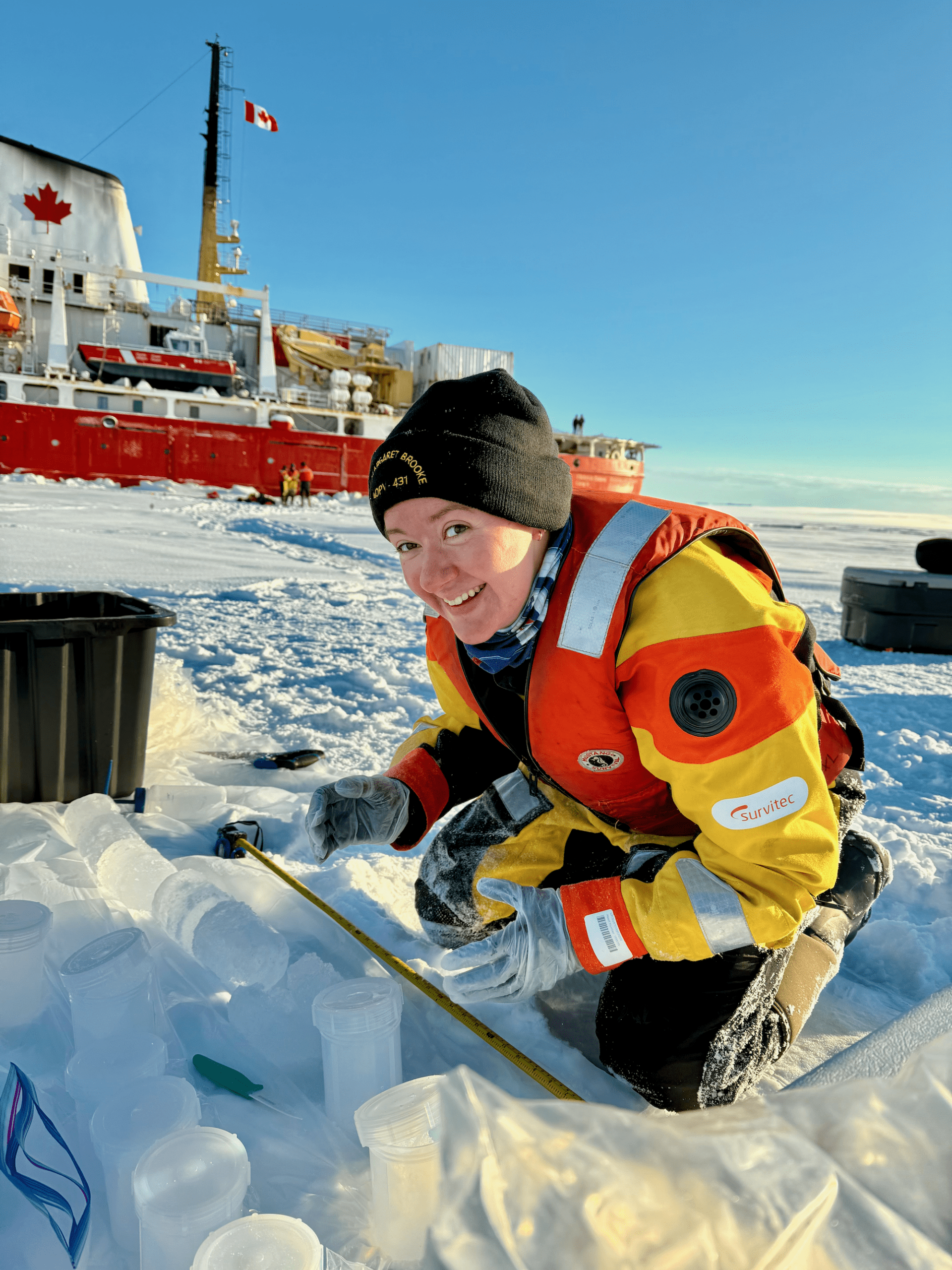
During the 2026 Amundsen Expedition I will be sampling and performing experiments in two legs: during the CASCADES program through the fjords of western Greenland, as well as during the second phase of the Queen Elizabeth Islands Survey program. Throughout these projects my research has aimed to understand the biogeochemical cycling of trace metals through the Canadian Arctic, how this may change in the future, and what implications this may have for marine microbes.
How was your experience on board? Is there a memorable moment you’d like to share?
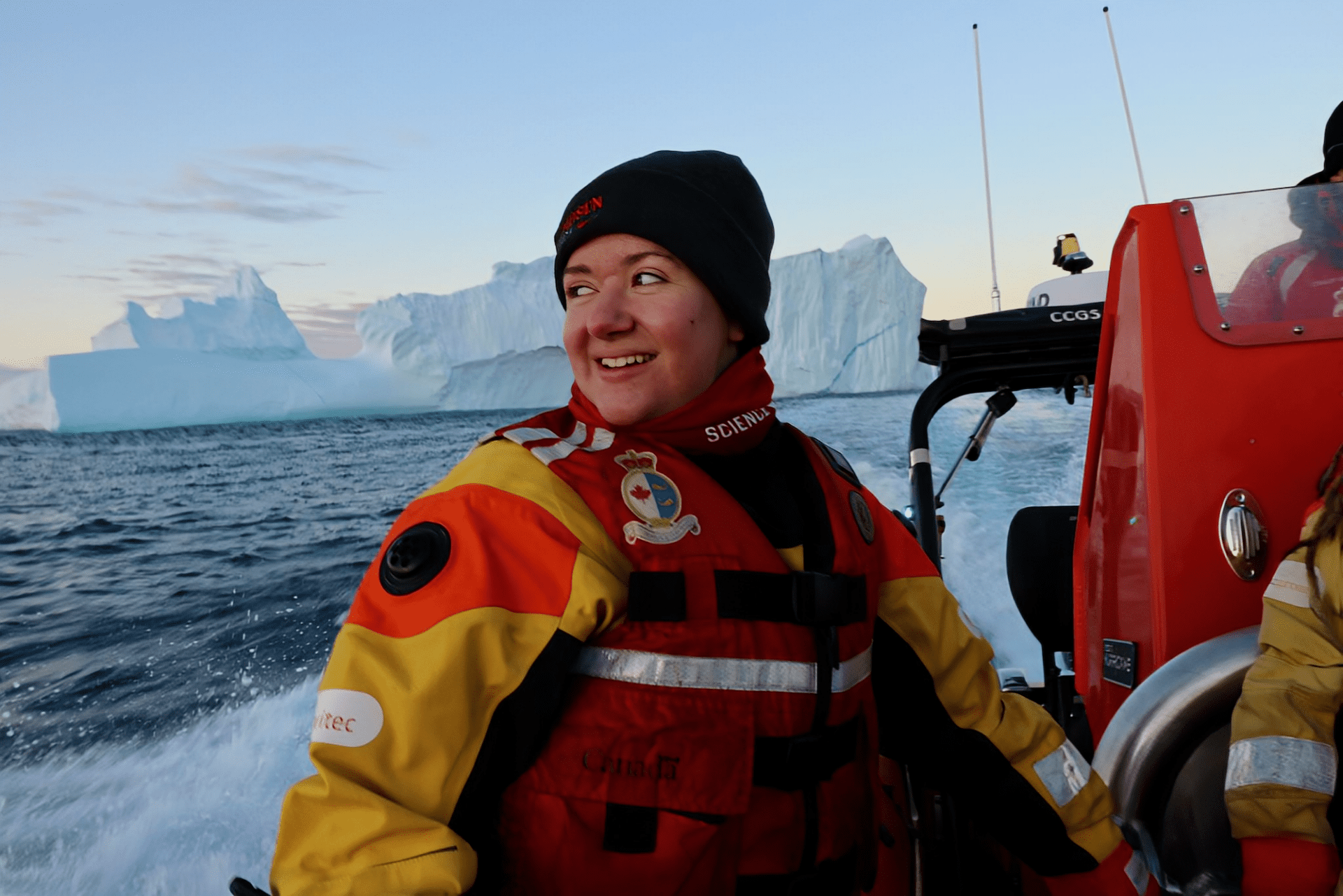
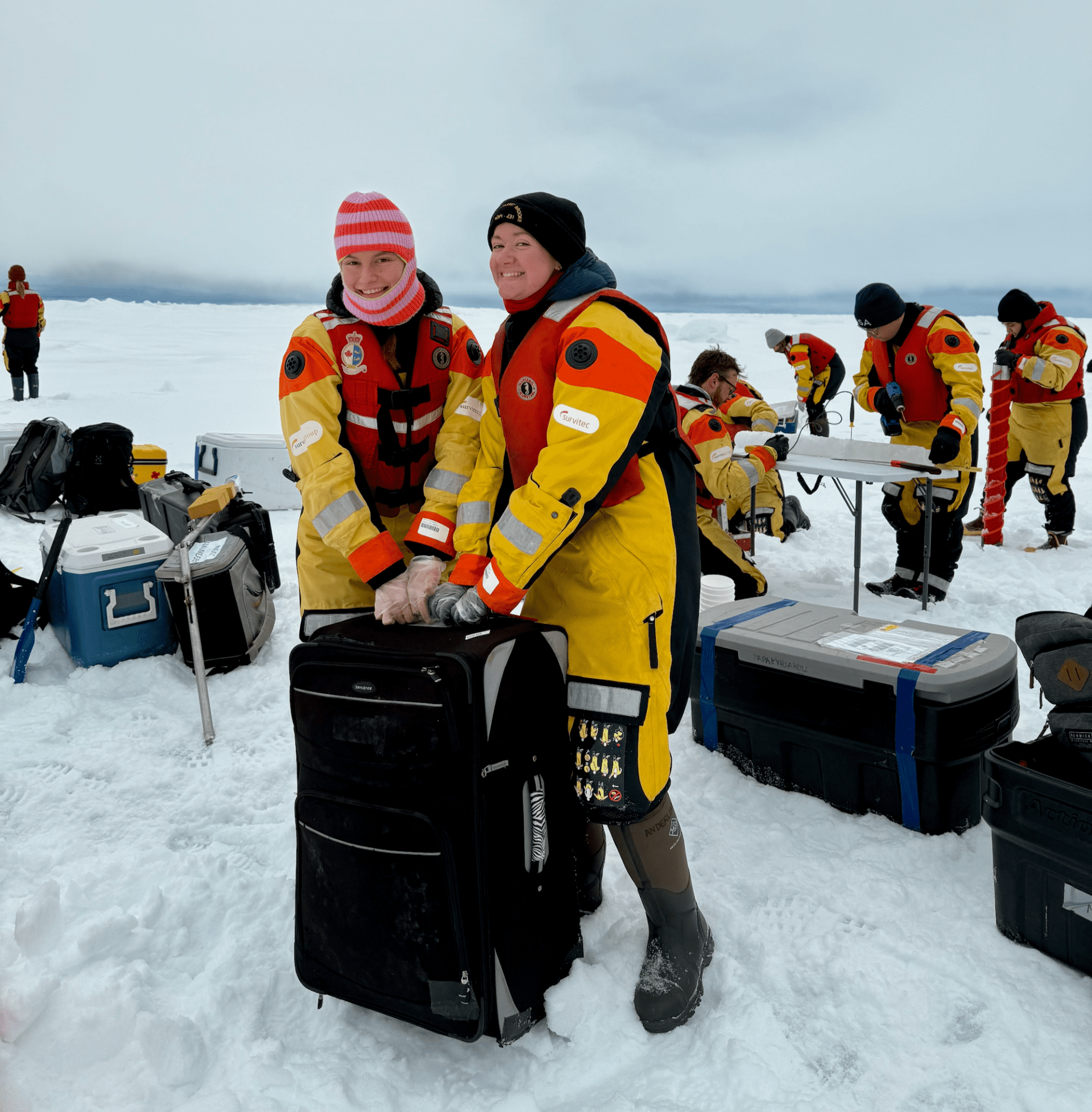
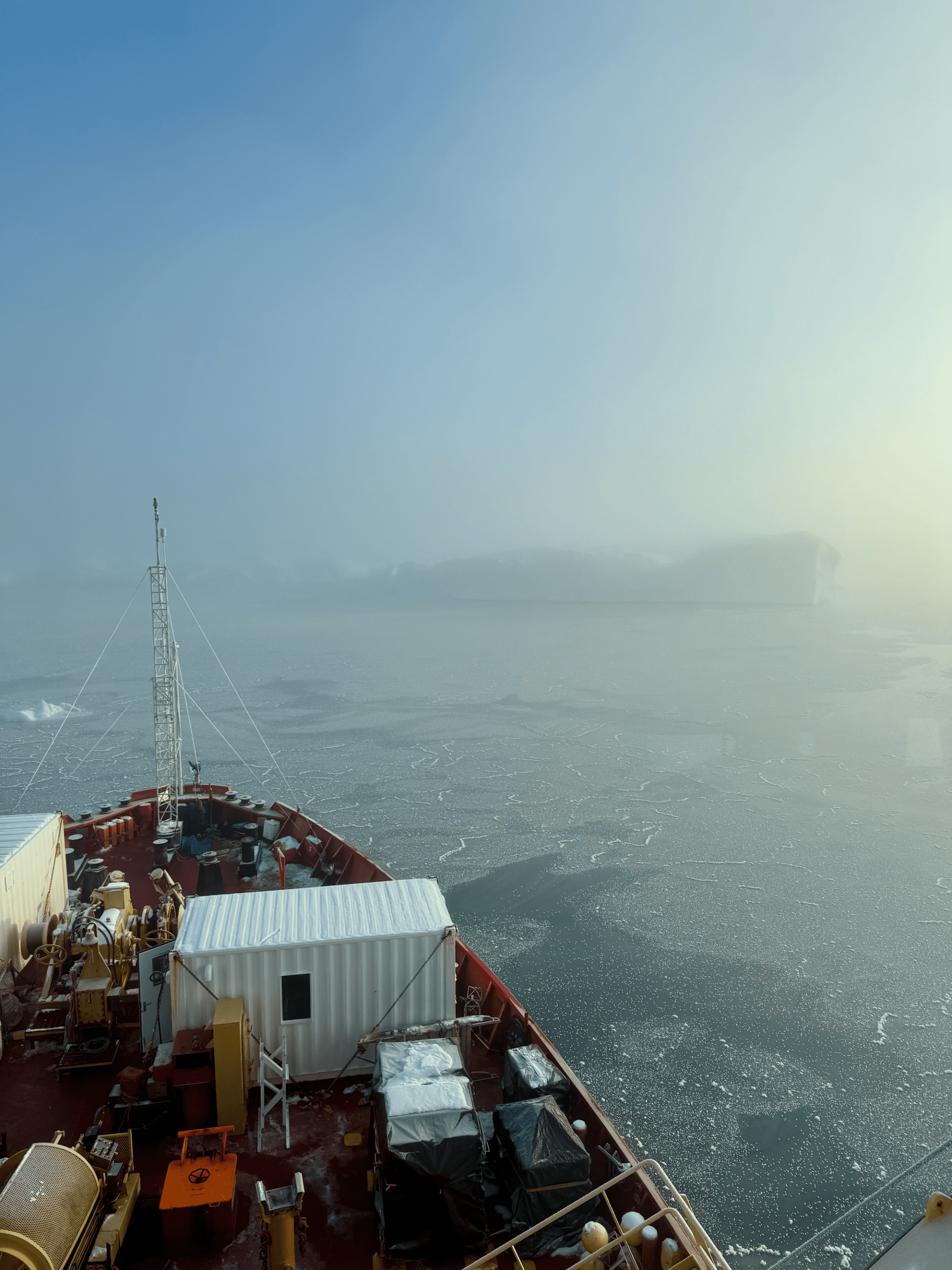
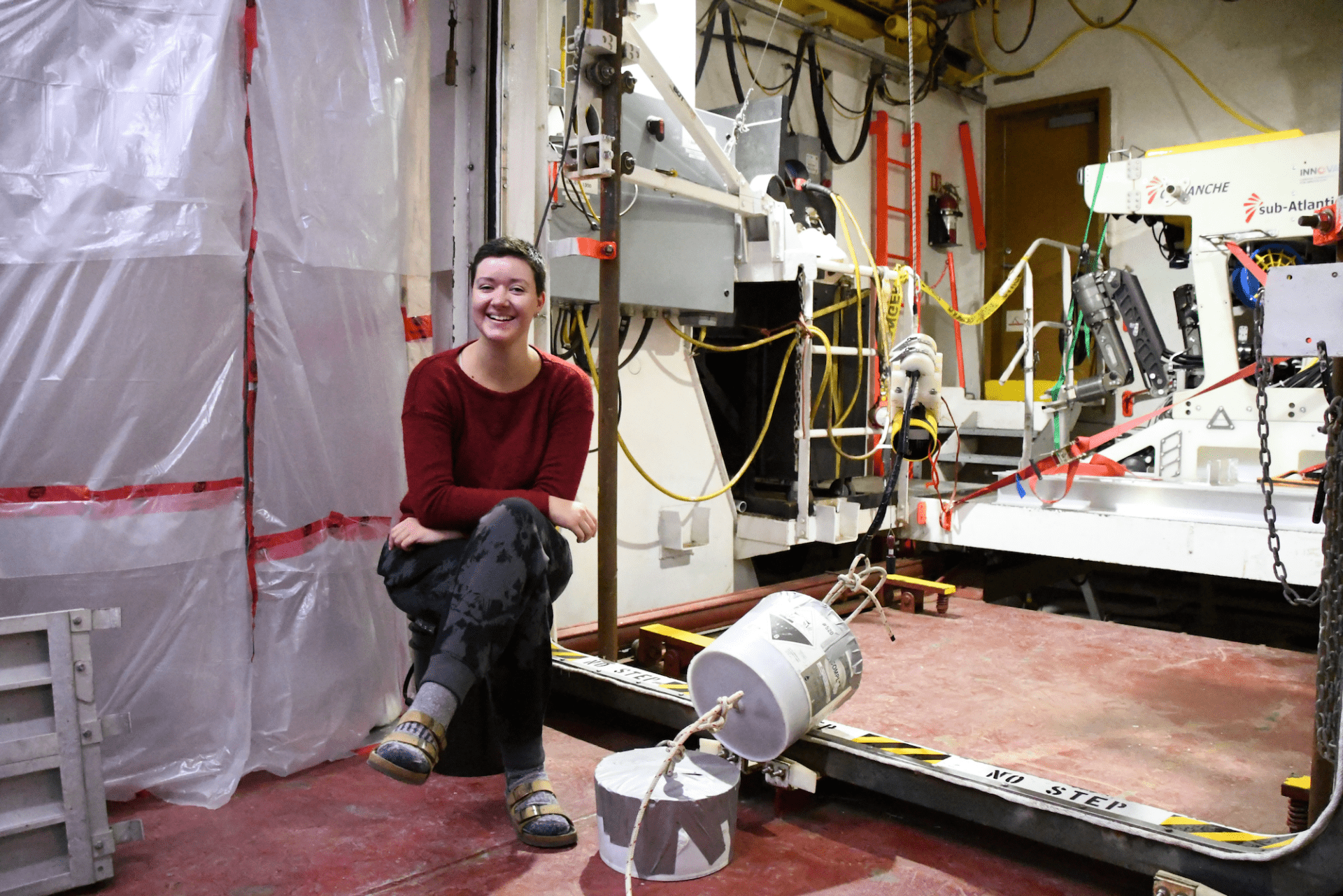
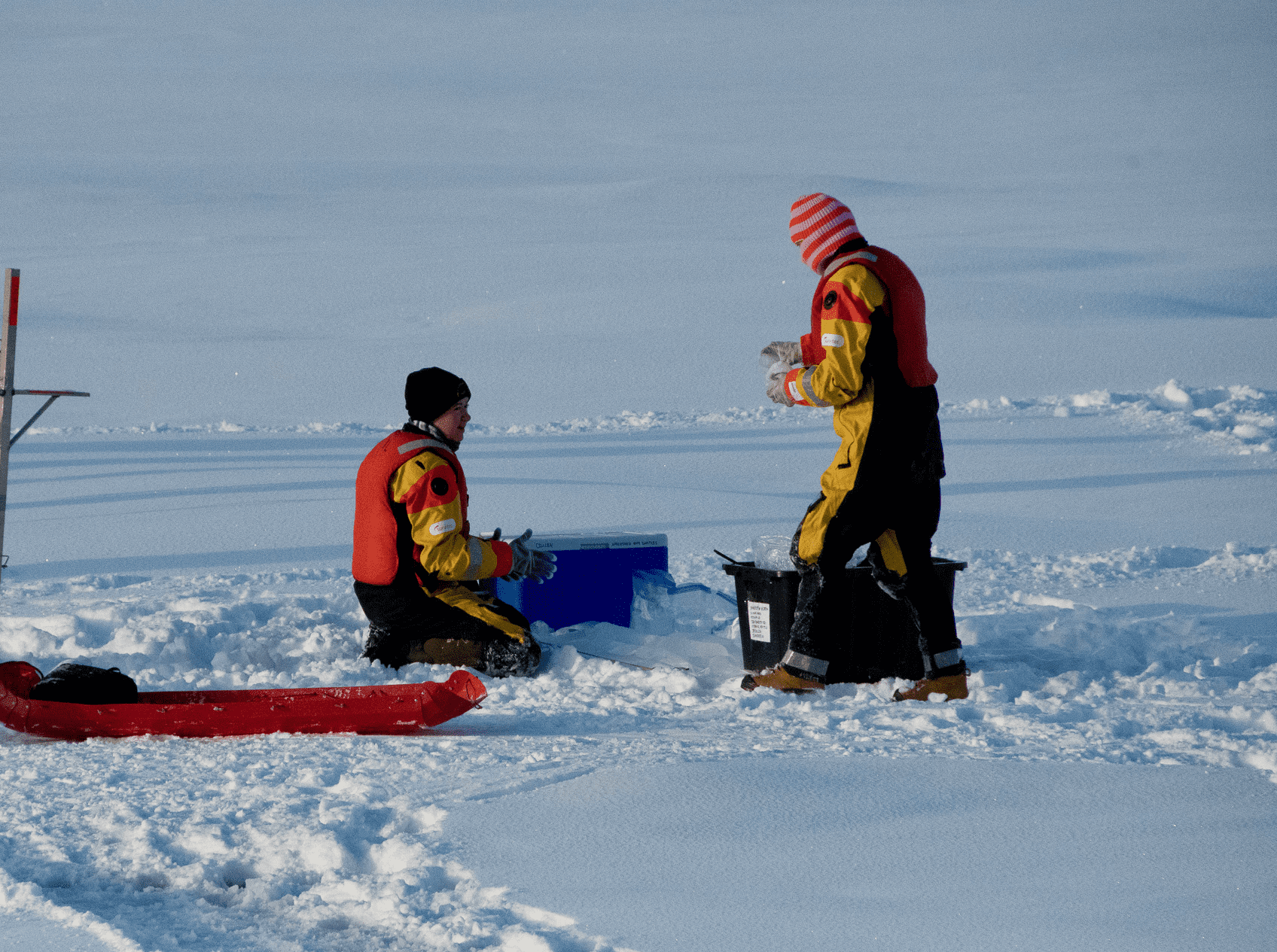
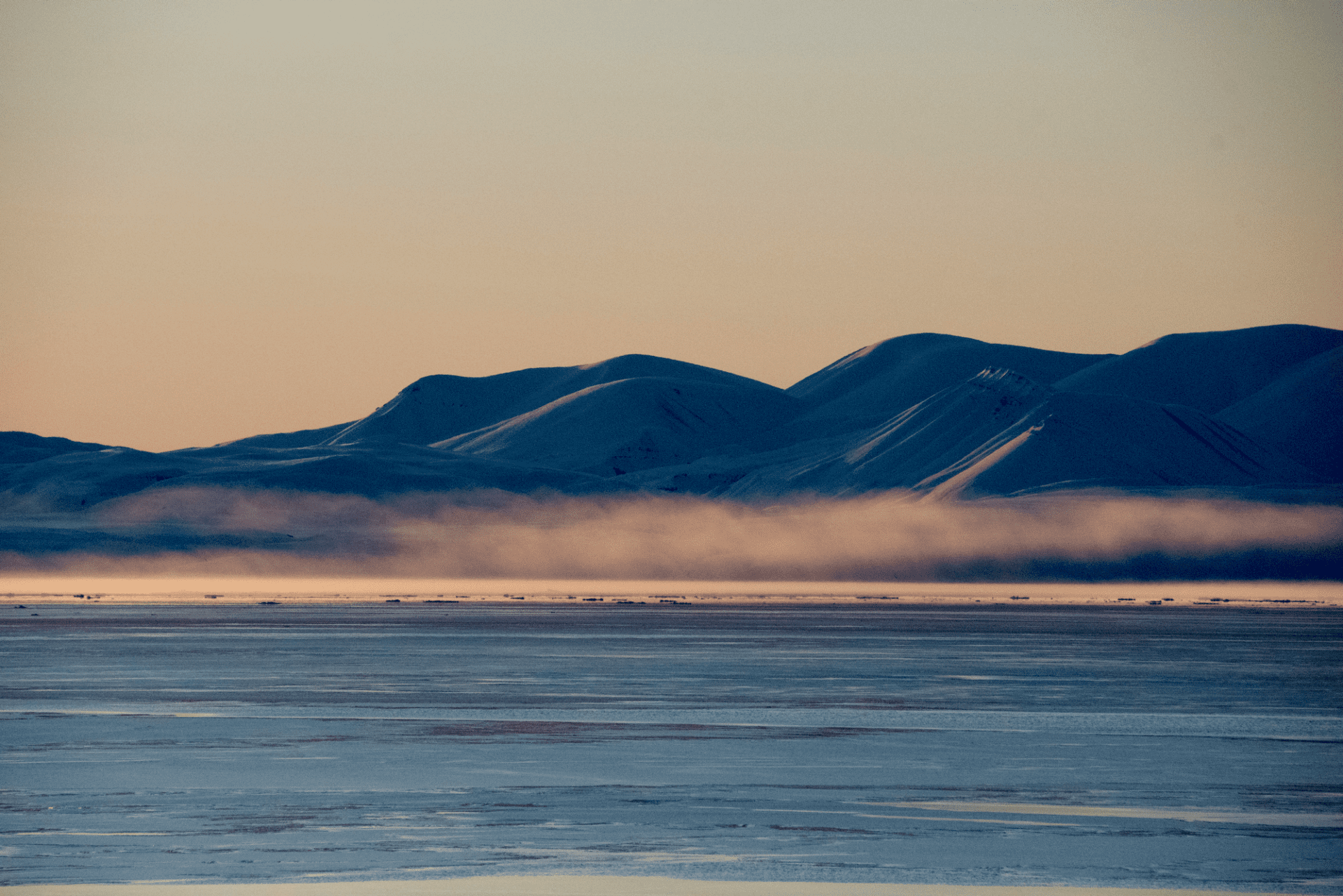
Every time I am on the Amundsen there are new memorable experiences. There have been a lot of memorable firsts that became seconds and thirds – Seeing the colorful striations of the mountains in Nares Strait, walking on the ice, whipping around on the zodiac for surface sampling (and sometimes iceberg tours!) A major highlight in 2025 was visiting the community in Resolute Bay and making trace metal “fortune tellers” with the kids. Who knew the throwback to fortune tellers would be such a hit! Using the trace metal rosette and the cleanroom for the first time definitely have a special place in my heart too. Though I should mention that bottles-on-a-line is a tried-and-true method and a great way to make new pals, and clean lab bubbles will never get old (shoutout to Amelie and Thibaud at Amundsen Science for being the MVPs with this endeavour).
From your perspective, what are the main challenges or key learnings of doing research on the ship?
Getting enough sleep and not skipping meals definitely come to mind, but I think something that has always stuck with me is to be understanding, caring, and patient with others and yourself. Working on a ship for a full month (or two!) is an exhilarating experience, but it is also exhausting. You can have some of the best times of your life, see breathtaking scenery, go to places that your friends and family will never witness, but it can also be extremely challenging at times – experiments go wrong, equipment breaks, you can’t get the samples you need. So, I think the capacity for empathy is actually massively important when working on a ship. There might be a beautiful sunset outside reflecting off the ice, but someone inside the ship might be struggling to get their instrument to work, or they may have just received some sad news from home, or it might be their first time at sea and they are extremely homesick. At the end of the day you are still doing a job and you can have a bad day at work, even if you are surrounded by breathtaking scenery, so never let someone make you feel guilty for having a hard time. Be gentle with yourself and with others.
Photos credits: Amundsen Science & Julia Cantelo