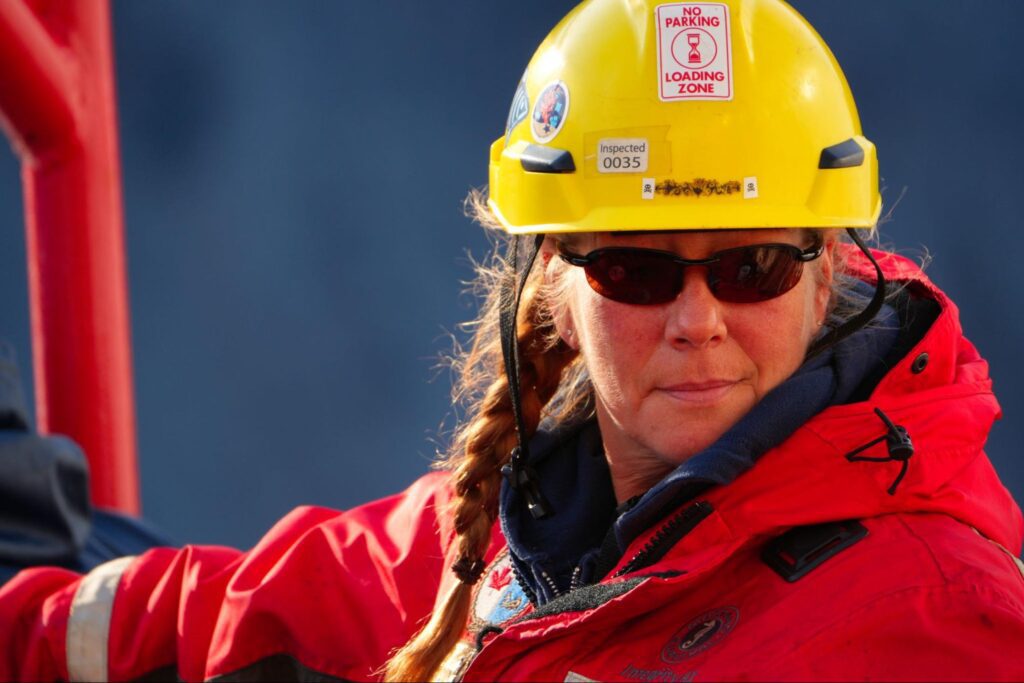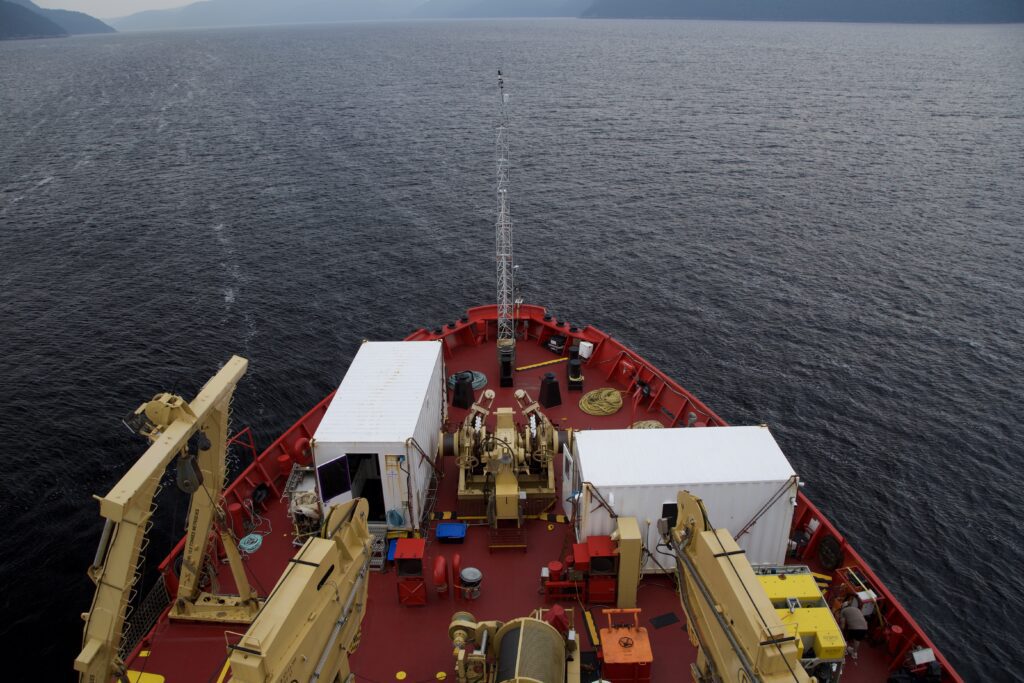
Behind every scientific expedition aboard the CCGS Amundsen is a dedicated Canadian Coast Guard crew working tirelessly to ensure operations run smoothly. While scientists are at the heart of the research, their work is made possible by the many crew members who keep the ship running day after day.
With our new Meet the crew series, we invite you to meet the people who bring the ship to life. They share what their jobs involve, their responsibilities, the challenges they face, and what they enjoy most about working aboard the Amundsen.
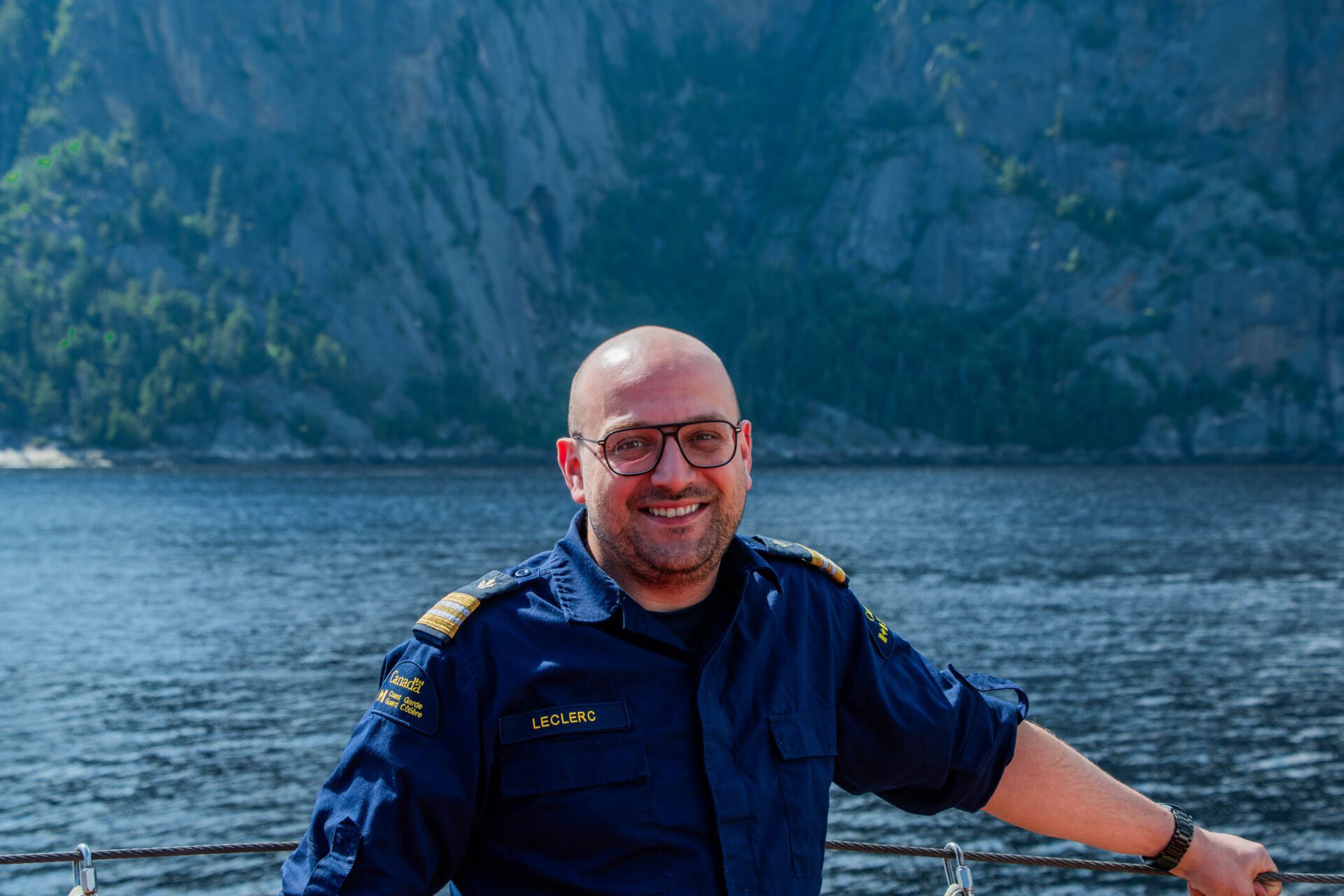
For this first edition, we meet Mathieu Leclerc, Logistics Officer aboard the CCGS Amundsen.
What does your job as Logistics Officer aboard the Amundsen involve?
My job is to ensure the ship is supplied with food, as well as cleaning and maintenance materials for the hotel services department, which includes the galley and accommodation areas. I am also responsible for managing the mechanical parts store and the hazardous materials storage area, ensuring inventory control, safe storage, and the availability of all materials required for operations.
I also assist the Commanding Officer with the ship’s financial management and make sure the crew’s administrative records comply with regulatory requirements, including passports, medical certificates, and marine certifications.
In addition, I supervise a team of five to nine people, depending on the time of year. This team includes the cooks, stewards, and the stores clerk. My role is to coordinate their work, oversee daily operations, and ensure that both the crew and the scientists receive high-quality service throughout the expedition.
How long have you been in this position?
I’ve been a Logistics Officer since November 2022, so it’s been almost four years. I first joined the ship as a steward in 2019, then worked as a stores clerk from December 2020 to November 2022.
Have you worked in this role on other ships? If so, what makes the Amundsen different?
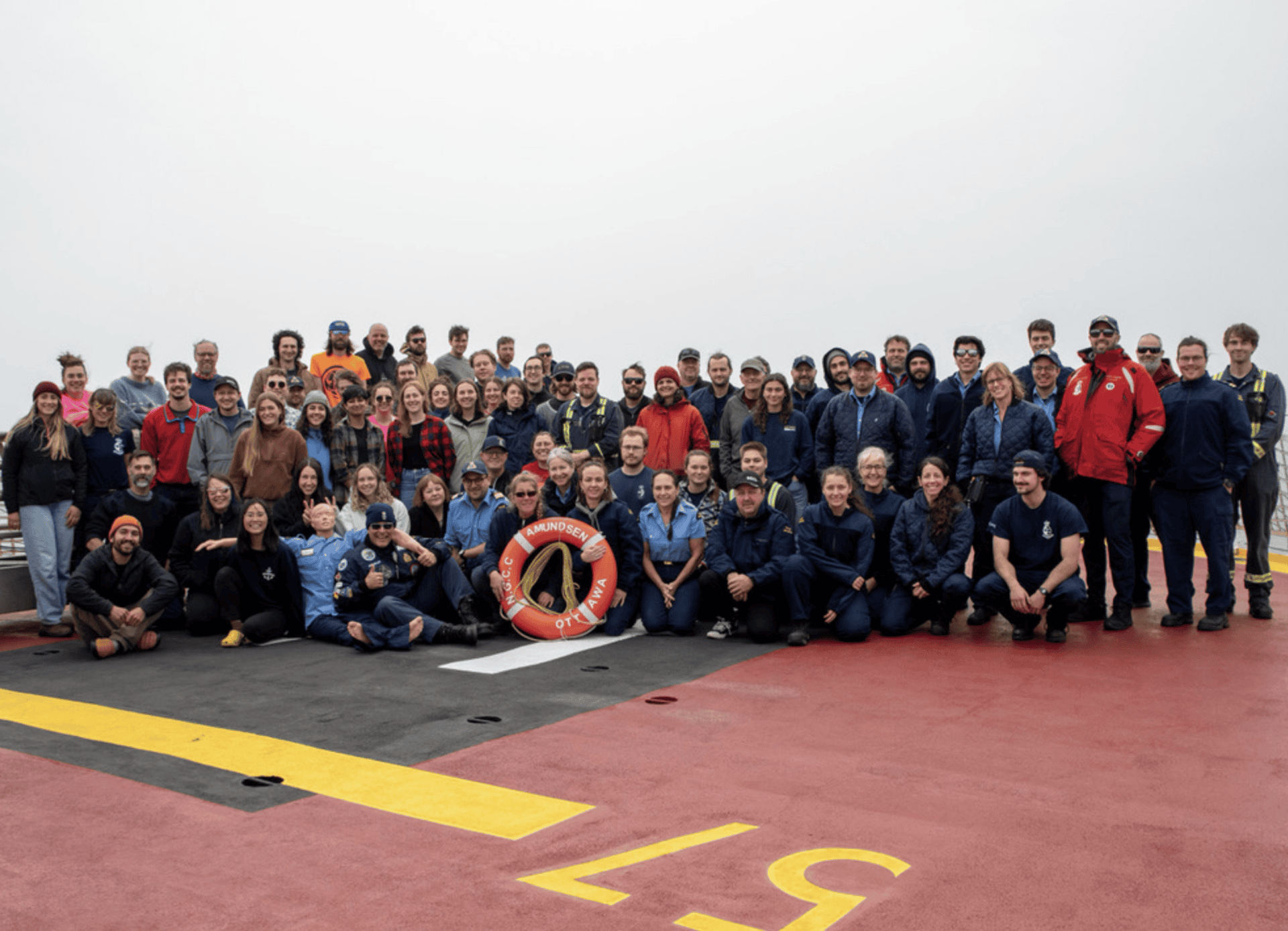
I spent a few months aboard the Des Groseilliers in 2024. What really sets the Amundsen apart is its scientific mission. The professional challenge is greater, especially because we have about 80 people on board, compared with around 40 on most other ships.
We work alongside scientists from many different countries and disciplines, which gives us the opportunity to learn more about their research and projects. We also have the privilege of sailing in regions that very few people ever get to visit.
Life on board is stimulating, busy, and full of new challenges. It’s truly a unique work environment!
What does a typical day at sea look like for you?
My day starts with a meeting with my team to organize the day’s work and review the progress of ongoing tasks. I then make rounds through the areas under my responsibility to ensure everything is clean, safe, and running properly.
A large part of my day is dedicated to administrative work, including financial management, procurement, inventory tracking, coordinating with other departments, and responding to requests from the crew.
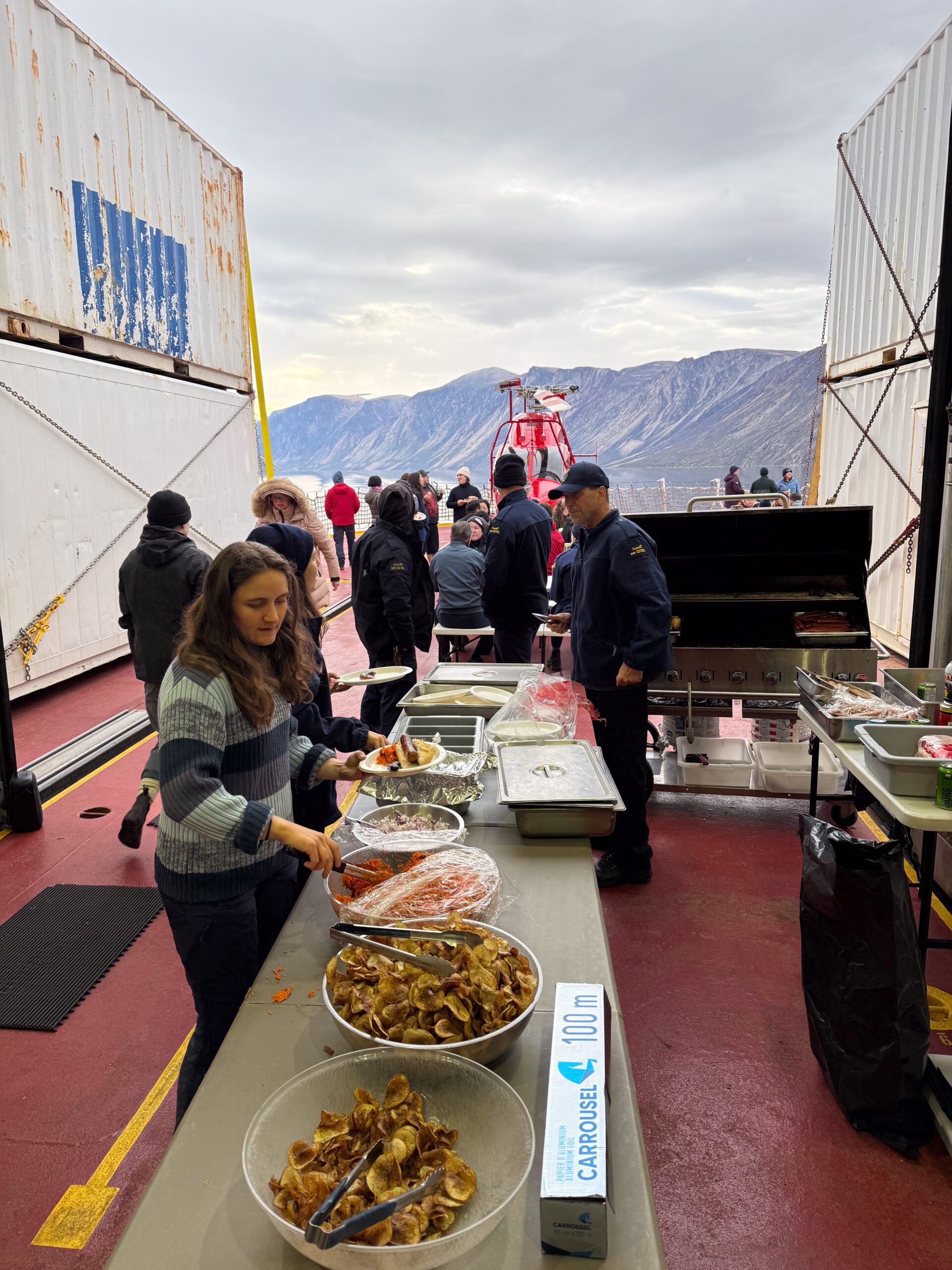
During meal service, I make sure my team has everything they need. Whenever necessary, I lend a hand to ensure everything runs smoothly.
My role also includes helping organize onboard activities and events, as well as managing the ship’s canteen, which also serves as the crew’s social club. Every day is different, which makes the job both varied and rewarding.
What are your main responsibilities before an expedition begins?
Before each departure, I place orders and plan supplies for the entire mission, including both food and the materials under my responsibility. I have to anticipate the ship’s needs based on the expedition’s duration, scheduled port calls, and the number of people on board.
I also make sure that all crew administrative records are up to date and compliant with regulatory requirements. Finally, I coordinate deliveries with suppliers and the various ship departments to ensure everything is received, checked, and ready before departure.
What are the biggest challenges you face in your job?
The biggest challenge is planning ahead. We have to anticipate our needs weeks, sometimes even months, in advance, knowing that once we’re at sea, resupplying is often impossible.
We also need to be able to handle unexpected situations, find solutions quickly, and respond to requests from several departments at the same time. Good organization and strong communication are essential to keeping everything running smoothly.
Is there a particularly busy time of year for you? Why?
The ship’s mobilization and provisioning period before the scientific mission is by far the busiest time of the year. We have to plan for several months of operations, often in remote regions where resupply is not an option.
This period requires extensive coordination with suppliers and the ship’s various departments. We also have to prepare for unexpected situations to ensure everything is ready before departure.

What do you enjoy most about your job?
What I enjoy most is contributing to the well-being of both the crew and the scientists. Their satisfaction is a great source of motivation because their comfort and the quality of the services we provide are central to my responsibilities.
Logistics can be demanding and requires strong organizational skills, but it’s incredibly rewarding to see the tangible results of our work every day.
My job also allows me to travel and sail across Canada, often to places that very few people ever have the chance to see. Working on a ship was a childhood dream, so I feel truly fortunate to have turned it into my career.
What qualities or skills are essential for being a good Logistics Officer?
First and foremost, you need to be highly organized. A large part of the job involves anticipating needs weeks or even months in advance while remaining flexible enough to adapt to unexpected situations.
You also need good prioritization skills, be self-reliant, and enjoy solving problems. Since we work closely with many different departments, strong communication skills and a team-oriented mindset are essential. Finally, you need to be able to manage stress, especially during the mobilization period, when deadlines are tight and careful planning is critical.
What advice would you give someone interested in a similar career?
I’d tell them not to be afraid of responsibility and to always be willing to learn. Logistics is a field where you need to be organized, resourceful, and able to adapt quickly when things don’t go as planned.
It’s also important to be a team player because we work with many different departments, and everyone relies on one another.
Most importantly, you have to enjoy challenges. No two days are ever the same, and that’s exactly what makes this job so interesting.